Connected Cities
2026 Summit
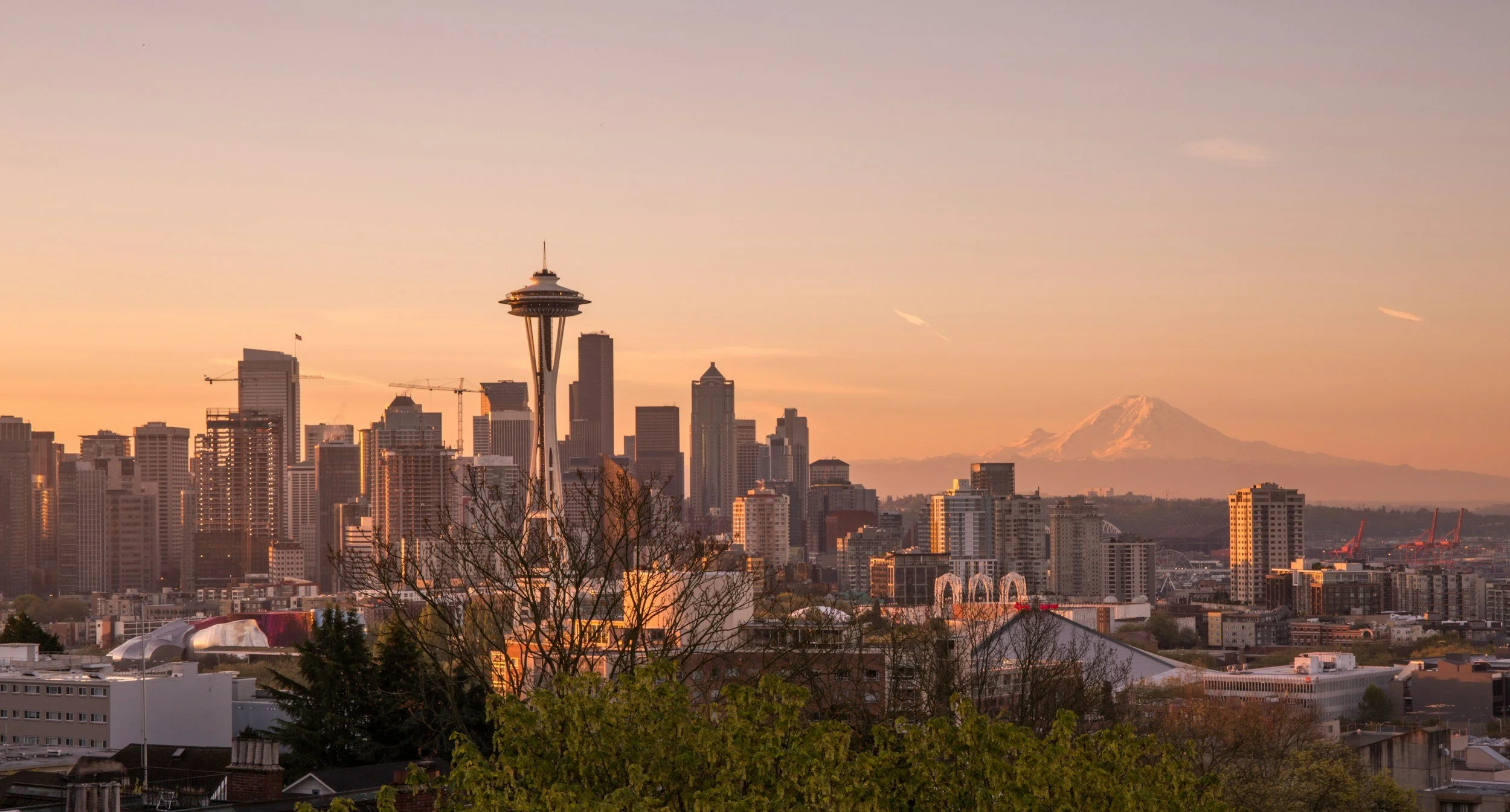
October 15-16 Seattle, WA
SOLD OUT
A historic gathering of leaders shaping the future of our cities and communities to prioritize human connection.
For the last 60 years, we have optimized our cities and culture for individualism and commerce. The result is a country where most people are disconnected and divided.
But that is starting to change. Across the country, civic innovators—organizers, community builders, and cross-sector leaders—are building a new civic era, redesigning our cities and communities around social connection.
The Connected Cities Summit is where we come together to map what communities are building and create a shared vision for how together we can support social connection and trust.
What would a city built for human connection look like?
Who Attends
Leaders shaping how people live, work, gather, and play.
City leaders rebuilding connection locally
National organizations shaping the future of community
Leaders supporting people through life transitions
Builders of spaces, programs, and platforms that bring people together
Funders investing in stronger, more connected communities
Collaborating Partners











Sponsors







EXPERIENCE
A two-day creative sprint: part design studio, part civic gathering, part dinner table.
The Connected City Blueprint
Mapping what is working today and what is possible tomorrow.
The Connected Cities Summit is designed to co-author a shared blueprint that we can all bring back to our communities to inform and inspire our work for the next decade.
It offers:
Shared vision and narrative to guide our field.
Vivid description of the key infrastructure needed.
Practical pathways for collaboration.
6:30–8:30 PM

Welcome Social: Pickleball
Only 1 in 3 Americans belong to a community of play and yet they are the single most powerful lever for building connection in a city, for both bonding and bridging. Pickleball was invented just outside Seattle and is now the fastest-growing sport in America. Whether you've never held a paddle or you're regularly featured on Pickleball TV, come join us. Gear provided.
Optional for summit attendees arriving Wednesday evening.
October 14th
Arrival Evening
7:30–8:30 AM

Co-Author Check-In
Pick up your co-author credentials, grab a bagel from Eltana and coffee from Cafe Vita, and get a photo with Sam the Bear, the Seattle Chamber of Connection's mascot, and Frankie Feetsplinters, one of six giant hand-built troll sculptures in the Northwest Troll project.
8:30 - 9:30 AM
9:30 AM - 12:20 PM
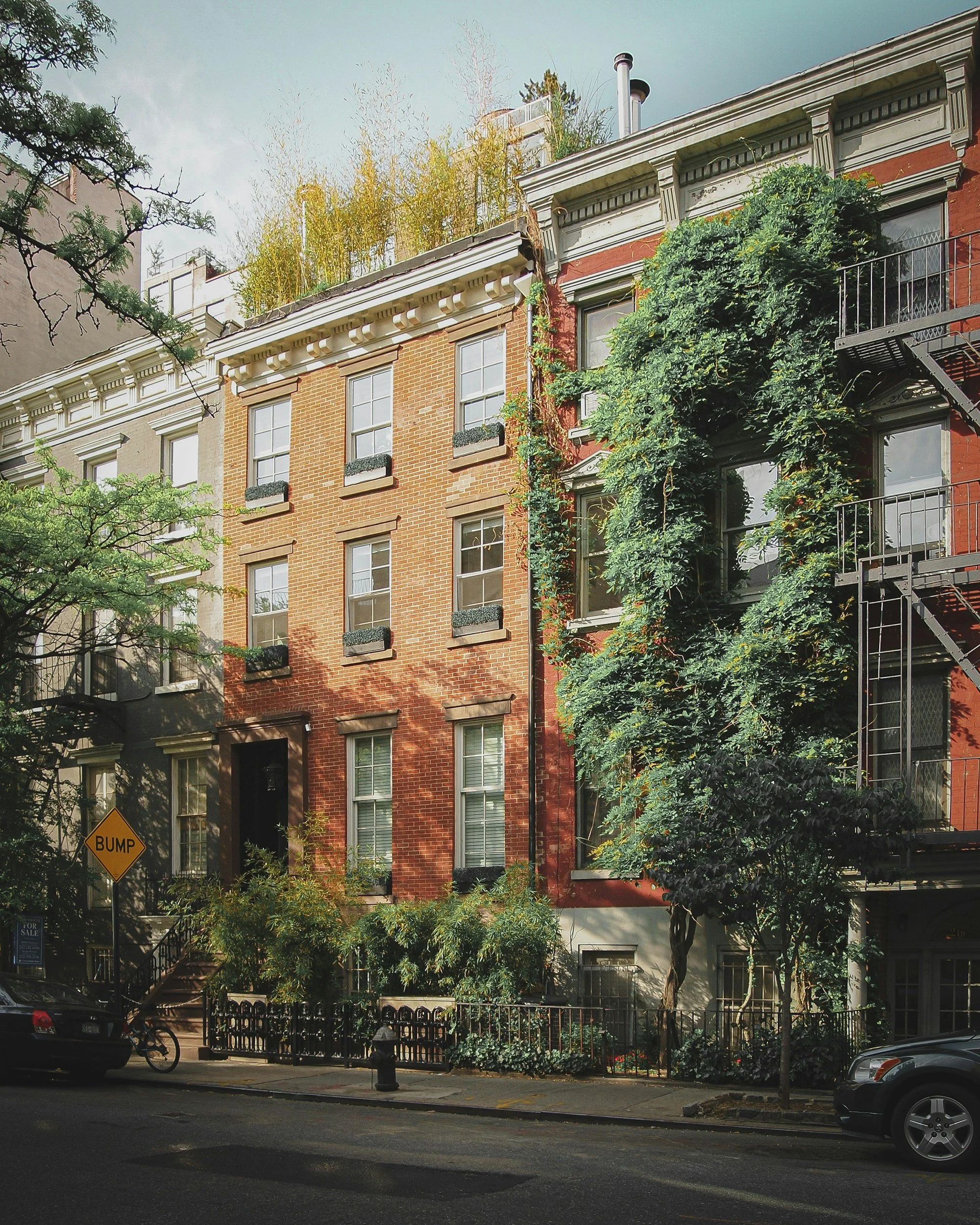
Chapter One: Connected Neighborhoods
According to Seth Kaplan, author of Fragile Neighborhoods, two American neighborhoods can differ in life expectancy by more than 40 years — a gap explained not by individual choices but by place. Seth designed this morning with us. The first chapter of the blueprint is written in the field.
-
Connected Conversation
9:00–9:30 AMAt our tables, we reflect on the neighborhoods where we grew up, where we live now, and what we've seen that actually works.
Neighborhood Field Research
9:30–11:30 AMIn small guided groups, delegates fan out into Seattle neighborhoods to conduct original field research, observing the three elements that define a neighborhood's social habitat: its physical landscape, its local institutions, and its gathering places.
Neighborhood Reflections
11:30 AM–12:30 PMOver lunch, Seth leads us in synthesizing what we observed into the first insights of the Connected Cities Blueprint: what makes a neighborhood thrive, what breaks it down, and what cities can do about it.
Introduction to the Connected CIties Blueprint
Shasta Nelson, our Chief Friendship Officer and MC for the summit. Lāth Carlson, CEO of the National Nordic Museum, shares why Nordic countries top the world's happiness rankings. Mayor Katie Wilson shares why Seattle is leading the nation.
12:30 - 2:30 PM

Chapter Two: Connecting During Life Transitions
One in two Americans navigates a major life transition each year, asking who am I now, where do I belong? Without the right support, that openness becomes isolation. Life transitions are the highest-leverage entry point for cities serious about connection.
Five breakout co-writing groups. Leading experts in each transition. Five parts of this chapter.
-
Welcoming Newcomers
Facilitators: Peter Pendergrass (Gensler); Jacob Simons (Gensler)
12 million American adults relocate across counties every year, leaving behind their friendships and social networks.
Spark Talks: Janice Deguchi · Meghan BarnesSupporting New Parents
Facilitators: Ann-Britt Elvin Andersen (BLOXHUB); Jakob Norman-Hansen (BLOXHUB)
One in three new parents experiences frequent isolation, at the exact moment a city could become their village.
Spark Talks: Dana Guy · Katherine Goldstein · Vanessa EliasHealth Transitions
Facilitators: Seth Kaplan (Flourishing Neighborhoods), Gavin Bartlett (KPMG)Health crises are among the most socially destabilizing transitions people face.
Career Transitions
Facilitators: Cole Hoover (Stand Together), Nathan Mesaros (Deloitte)
Unemployment correlates with higher anxiety, depression, and reduced life satisfaction, and the loss of a workplace community that most people never thought to replace.
Spark Talks: Sarah Hemminger · Megan Wong · Brittani WilliamsRetirement
Facilitators: Sofie Kvist (Gehl); Olivia Flynn (Gehl)
Retirement ends the routine, the colleagues, and often the sense of purpose, all at once.At the end of the workshop, co-authors identify what it would take to scale their lever to reach most people in transition: the leadership, funding, outreach, technology, and policy it requires. Those findings travel with the group into Chapter Four, where city delegations apply them to their own context. The blueprint only works if it is built to scale from the start.
2:30–4:15 PM

Chapter Three: Levers of Connection
Knowing where connection breaks down is only half the work. This chapter maps what actually changes it. Five levers shape whether a city becomes more connected or less: the programs it builds, the institutions that show up, the places people gather, the technology that bridges or isolates, and the policies that make it possible at scale.
Five breakout writing groups. Each focused on one lever across all five life transitions. Five parts of this chapter.
-
Programs
Facilitators: Ann-Britt Elvin Andersen (BLOXHUB); Jakob Norman-Hansen (BLOXHUB)
From peer support to place-based community programs, what exists and what's missing.
Spark Talks: Sarah Hemminger · Stasi McAteerInstitutions & Employers
Facilitators: Peter Pendergrass (Gensler); Jacob Simons (Gensler)Companies. hospitals, schools, faith communities, employers, libraries. The institutions people already trust, and what it would take for them to act. [Sponsor]
Spark Talks: Charles Vogl · Michelle H. Hamiel · Christena DevlinPlace
Facilitators: Sofie Kvist (Gehl); Olivia Flynn (Gehl)
The physical environment either enables connection or forecloses it. What spaces does a connected city need?
Spark Talks: Rachel Ligtenberg · Jamie ElliottSocial Technology
Facilitators: Cole Hoover (Stand Together), Nathan Mesaros (Deloitte)
Technology can bridge or isolate. What does it look like when it actually connects people in transition? [Sponsor]
Spark Talks: Tess Posner · Jesse CzechService / Volunteering
Facilitators: Seth Kaplan (Flourishing Neighborhoods), Gavin Bartlett (KPMG)
For people navigating a life transition, the right volunteer at the right moment can change everything. [Sponsor]
Spark Talks: Loggins Merrill · Kaira EsgateFrom the worksheets: at the end of Chapter Three, each table identifies what it would take to scale their lever to reach 80% of people in transition — leadership, funding, outreach channels, social tech, and policy. They add their findings to a lever-specific flip chart, then the group heading to the next workshop carries that chart forward into Chapter Four.
4:25–5:30 PM
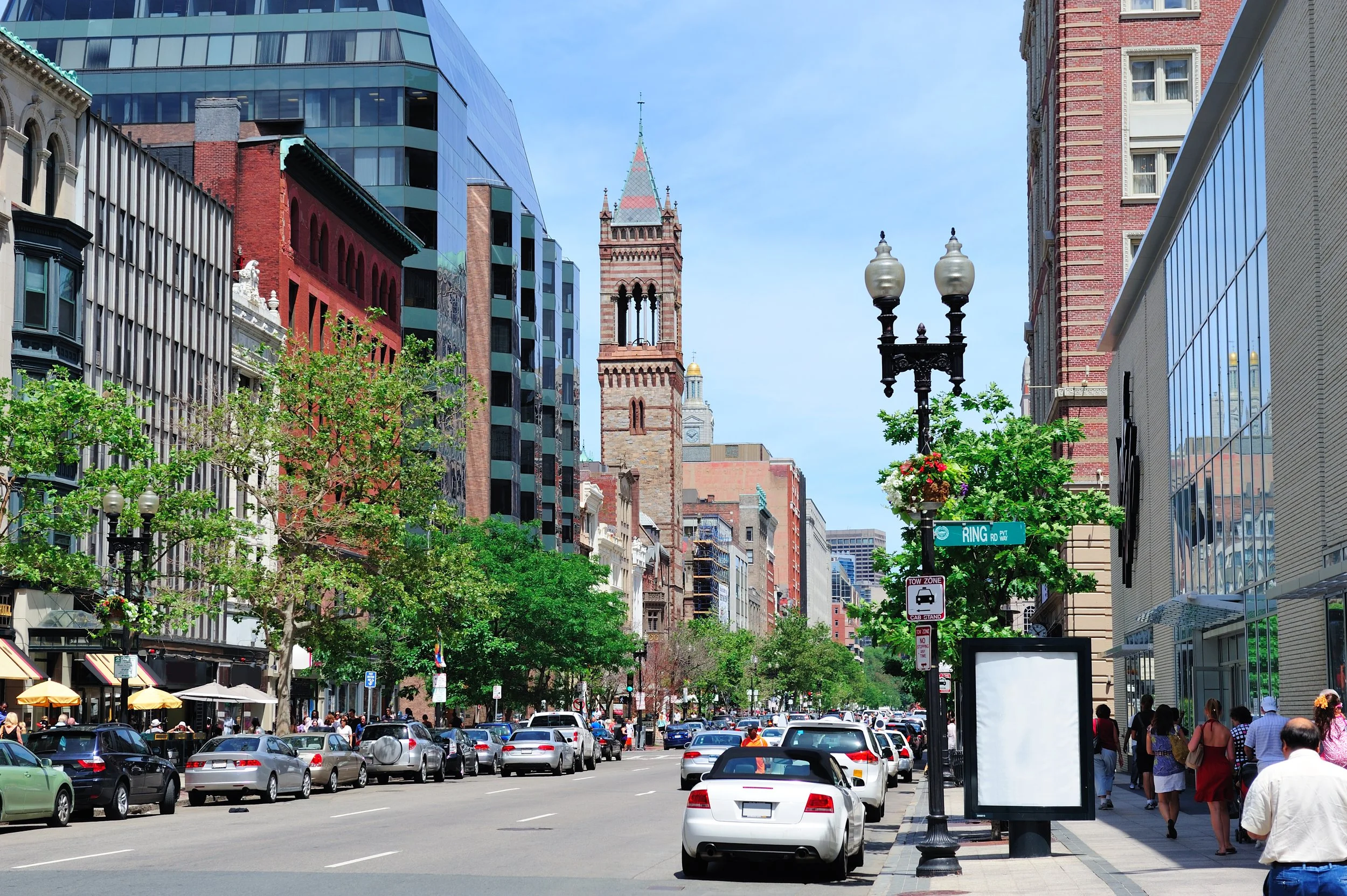
Chapter Four: The State and Case for Connection
Every chapter needs its evidence. Aaron Hurst, Founder and CEO of the US Chamber of Connection, leads a discussion of new data on the state of connection across seven American cities, produced in partnership with Murmuration, and a first look at The Cost of Social Disconnection to Main Street, the first study to measure what disconnection costs local economies, consumer spending, arts and culture, and philanthropy.
5:30–7:30 PM
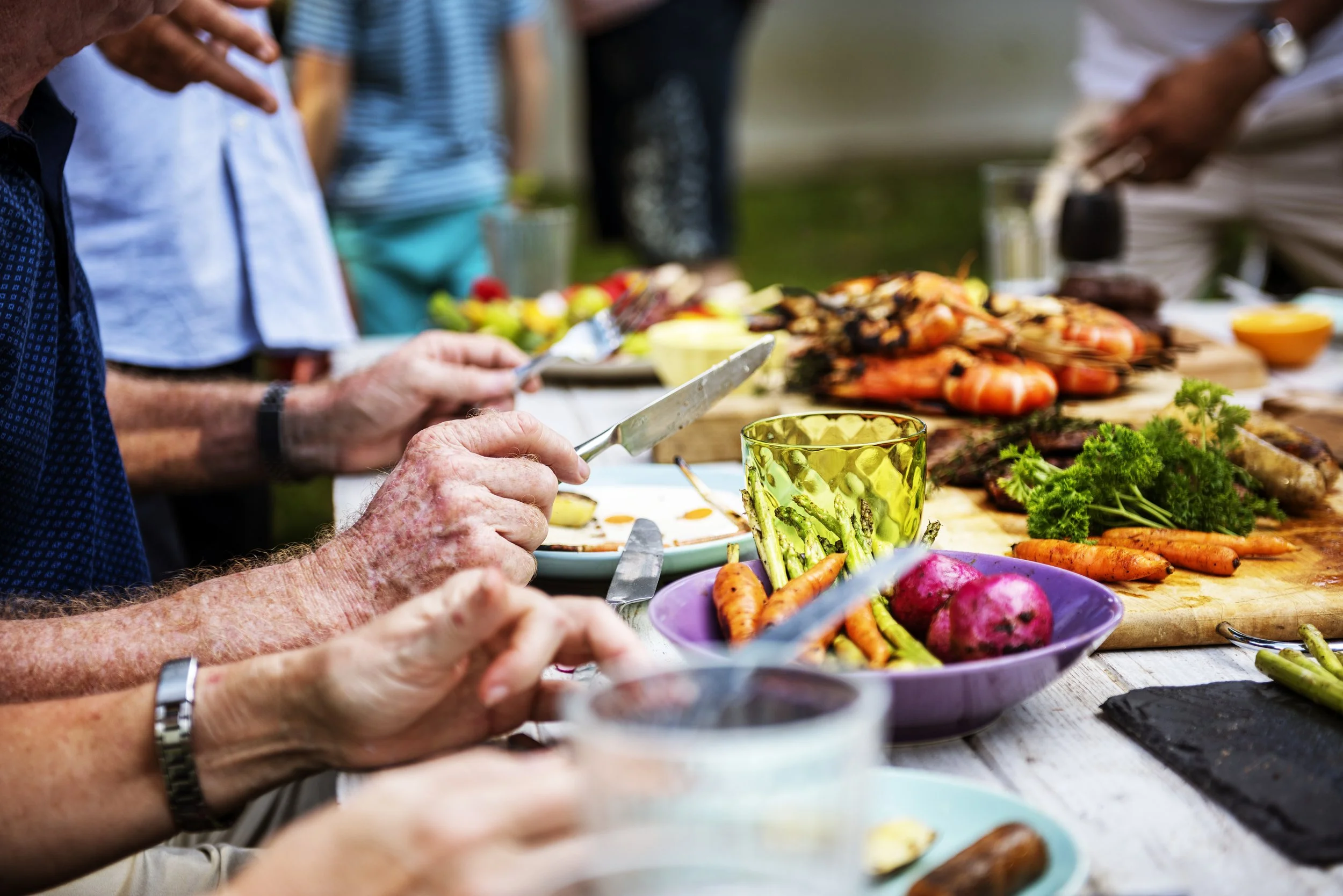
Chapter Five: Sharing Meals
Shared meals are among the oldest and most reliable technologies for building connection. People who eat with others regularly report higher wellbeing, more trust, and stronger community ties. Organizations like Longer Tables are bringing this to cities and companies at scale, believing the table is the most powerful place on the planet for bridging difference and building real community.
Michael Hebb has designed dinners that millions of people have experienced around the world. The author of Let's Talk About Death (Over Dinner), Michael leads us in writing this chapter the only way it can be written: experientially. We cook dinner for each other.
Five teams. Five kitchens. One meal. Led by five of Seattle's most celebrated culinary voices:
Cafe Suliman · Restaurant Marjorie · Surrell · Toi Sennhauser · Michael Hebb
7:30–8:30 PM

Chapter Six: Communities of Play
This summer, the World Cup filled city streets with strangers cheering together. On Lake Union, thousands floated on paddleboards to live EDM, a free event anyone with a board could join, organized by Erik Hillesheim specifically to combat the Seattle Freeze and make play on the water accessible to all. These are not accidents. Movement and play together in cities are how connection scales.
DJ Danger Tom, a Seattle legend, closes Day One alongside Erik Hillesheim, founder of Seattle's Paddle Rave. Come ready to move.
October 15
Developing a shared version
October 16
Drafting the Blueprint
8:30–9:45 AM

Co-Author Morning Read: Chapters One through Four
Overnight, the notes, insights, and workshop outputs from Day One were compiled into a working draft of the Connected Cities Blueprint. Co-authors arrive to coffee from Cafe Vita and bagels from Eltana, find their draft at the table, and do what the Silent Book Club movement has been right about all along: read together in the same room. Notes on what emerged from the groups they weren't in. Then tables discuss: what gaps remain, and what questions are worth pursuing today.
9:45–11:30 AM
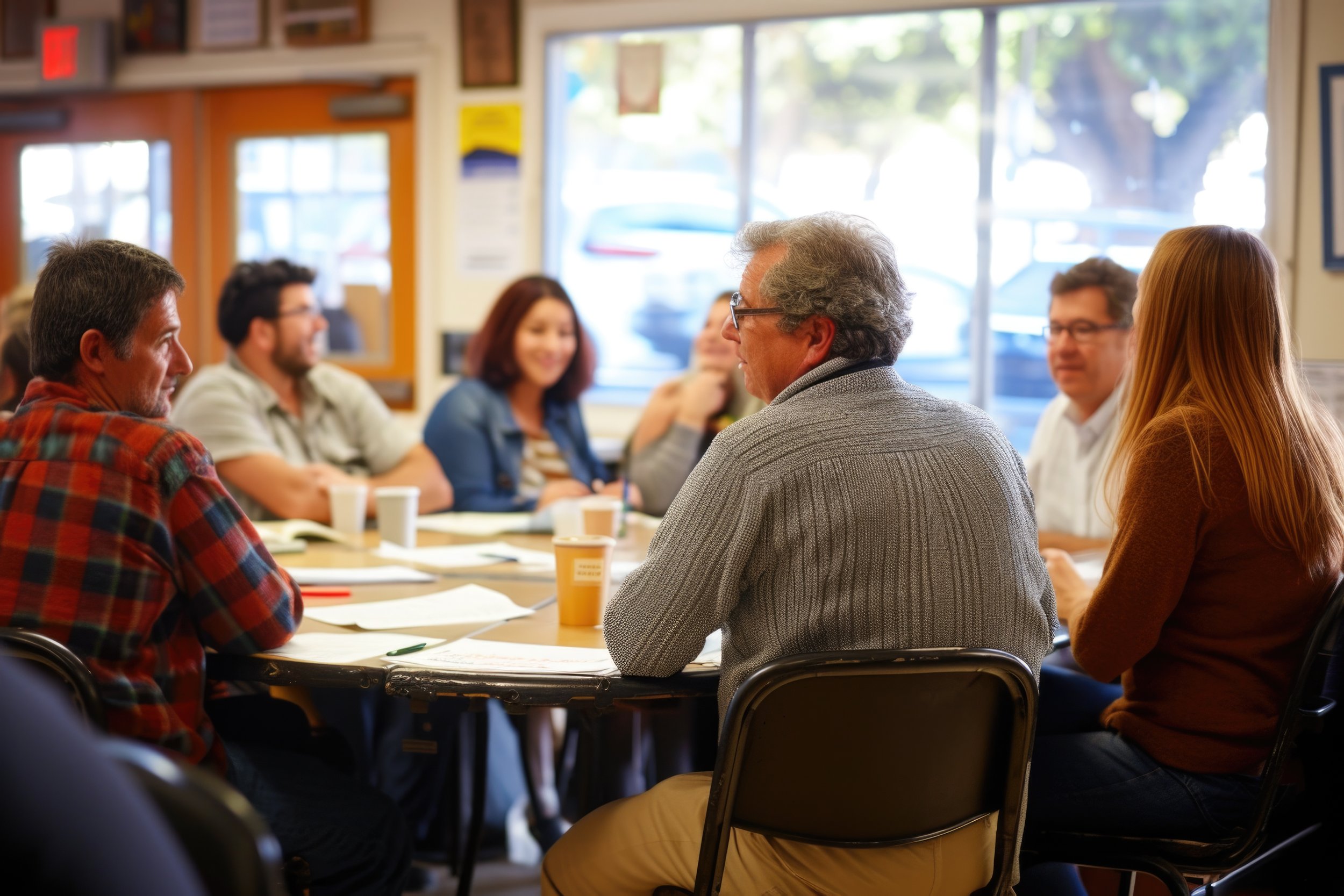
Chapter Seven: Building Capacity for a Connected City
Yesterday mapped where connection breaks down and what moves it. Today's five sessions ask the harder question: what does it take to scale it -- to reach not 5% of people navigating a life transition, but 80%? Each group takes the maps from Day One and works to build the practical architecture a city needs to get there.
-
Policy
Facilitators: Ann-Britt Elvin Andersen (BLOXHUB); Jakob Norman-Hansen (BLOXHUB)The services, financial resources, and incentives that only government can provide -- and what it would take to align them around connection.
Spark Talks: Megan Greig, Oscar Benitez
Funding
Facilitators: Cole Hoover (Stand Together), Nathan Mesaros (Deloitte)Connection programs stay small when funding is project-based and short-term. This group maps what sustainable funding for connection infrastructure actually looks like.
Spark Talks: Sara Fenske Bahat, Shannon Schuyler, Amber PtakLeadership
Facilitators: Peter Pendergrass (Gensler); Jacob Simons (Gensler)Scaling requires champions inside institutions, government, and communities. This group identifies who needs to be at the table and how to get them there.
Spark talks: Sara Fenske Bahat, Shannon Schuyler, Amber PtakOutreach
Facilitators: Seth Kaplan (Flourishing Neighborhoods), Gavin Bartlett (KPMG)The people most in need of connection are often the hardest to reach. This group works on how cities find and meet people where they are.
Spark talks: Tadd Wilson, Kristen Scott KennedyMeasurement
Facilitators: Sofie Kvist (Gehl); Olivia Flynn (Gehl)You can't scale what you can't see. This group defines what a city should be tracking and how to make the data actionable.
Spark talks: Emily Gerdin
12:30–2:30 PM

Chapter Eight: The City Blueprint
The final writing session. City delegations work together to chart their path forward: the leadership table they need to build, the programs worth bringing home, and the specific help they want from other cities in this room. Each city leaves with a draft -- a named set of commitments, partners, and next steps grounded in two days of work.
-
Seattle
Led by Charlotte Massey, Founder, Seattle Chamber of Connection
Facilitated by Peter Pendergrass (Gensler), Jacob Simons (Gensler)
Baltimore
Led by Alex Zhu, Founder, Baltimore Chamber of Connection
Facilitated by Seth Kaplan (Flourishing Neighborhoods), Gavin Bartlett (KPMG)SF Bay Area
Led by Michael Seiler, Founder, SF Bay Area Chamber of Connection
Facilitated by Sofie Kvist (Gehl); Olivia Flynn (Gehl)San Diego
Led by Elizabeth Cox, Founder, San Diego Chamber of Connection
Facilitated by Cole Hoover (Stand Together), Nathan Mesaros (Deloitte)Pittsburgh
Led by Haley Ingersoll, Founder, Pittsburgh Chamber of Connection
Facilitated by Ann-Britt Elvin Andersen (BLOXHUB), Jakob Norman-Hansen (BLOXHUB)
2:30–3:00 PM
Epilogue
Every book ends with a question: what do you do now that you've read it?
Aaron Hurst closes the summit. Tables share what they are bringing home and one thing they will do personally. Co-authors confirm their roles in what comes next and affirm next year's summit.
3:00–4:00 PM

Blueprint Launch Party
Seattle sits in the apple capital of the United States. It is only right that we press cider together to celebrate what we just wrote. Co-authors gather in the courtyard, press fresh cider from Washington apples, raise a glass to the Connected Cities Blueprint
Wednesday, October 14th
6:30–8:30 PM
Welcome Social: Pickleball
Location: National Nordic Museum
-
Only 1 in 3 Americans belong to a community of play and yet they are the single most powerful lever for building connection in a city, for both bonding and bridging. Pickleball was invented just outside Seattle and is now the fastest-growing sport in America. Whether you've never held a paddle or you're regularly featured on Pickleball TV, come join us. Gear provided.
Optional for summit attendees arriving Wednesday evening.
Thursday, October 15th
7:00–8:30 AM
Co-Author Sign-In & Bagels
Location: National Nordic Museum
-
Pick up your co-author credentials, grab a bagel from Eltana and coffee from Cafe Vita, and get a photo with Sam the Bear, the Seattle Chamber of Connection's mascot, and Frankie Feetsplinters, one of six giant hand-built troll sculptures in the Northwest Troll project.
8:30 - 9:30 AM
Introduction to the Connected Cities Blueprint
Location: National Nordic Museum
-
Shasta Nelson, our Chief Friendship Officer and MC for the summit. Lāth Carlson, CEO of the National Nordic Museum, shares why Nordic countries top the world's happiness rankings. Mayor Katie Wilson shares why Seattle is leading the nation.
9:30 AM - 12:20 PM
Chapter One: Connected Neighborhoods
Location: National Nordic Museum
-
According to Seth Kaplan, author of Fragile Neighborhoods, two American neighborhoods can differ in life expectancy by more than 40 years — a gap explained not by individual choices but by place. Seth designed this morning with us. The first chapter of the blueprint is written in the field.
Connected Conversation
9:00–9:30 AMAt our tables, we reflect on the neighborhoods where we grew up, where we live now, and what we've seen that actually works.
Neighborhood Field Research
9:30–11:30 AMIn small guided groups, delegates fan out into Seattle neighborhoods to conduct original field research, observing the three elements that define a neighborhood's social habitat: its physical landscape, its local institutions, and its gathering places.
Neighborhood Reflections
11:30 AM–12:30 PMOver lunch, Seth leads us in synthesizing what we observed into the first insights of the Connected Cities Blueprint: what makes a neighborhood thrive, what breaks it down, and what cities can do about it.
12:30 - 2:30 PM
Chapter Two: Connecting During Life Transitions
Location: National Nordic Museum
-
One in two Americans navigates a major life transition each year, asking who am I now, where do I belong? Without the right support, that openness becomes isolation. Life transitions are the highest-leverage entry point for cities serious about connection.
Five breakout co-writing groups. Leading experts in each transition. Five parts of this chapter.
Welcoming Newcomers
Facilitators: Peter Pendergrass (Gensler); Jacob Simons (Gensler)
12 million American adults relocate across counties every year, leaving behind their friendships and social networks.
Spark Talks: Janice Deguchi · Meghan BarnesSupporting New Parents
Facilitators: Ann-Britt Elvin Andersen (BLOXHUB); Jakob Norman-Hansen (BLOXHUB)
One in three new parents experiences frequent isolation, at the exact moment a city could become their village.
Spark Talks: Dana Guy · Katherine Goldstein · Vanessa EliasHealth Transitions
Facilitators: Seth Kaplan (Flourishing Neighborhoods), Gavin Bartlett (KPMG)Health crises are among the most socially destabilizing transitions people face.
Spark Talks: Lorrin Gehring · Huynh Chhor · Matthew ClarkCareer Transitions
Facilitators: Cole Hoover (Stand Together), Nathan Mesaros (Deloitte)
Unemployment correlates with higher anxiety, depression, and reduced life satisfaction, and the loss of a workplace community that most people never thought to replace.
Spark Talks: Sarah Hemminger · Megan Wong · Brittani WilliamsRetirement
Facilitators: Sofie Kvist (Gehl); Olivia Flynn (Gehl)
Retirement ends the routine, the colleagues, and often the sense of purpose, all at once.
Spark Talks: Arielle Galinsky · Heidi WongAt the end of the workshop, co-authors identify what it would take to scale their lever to reach most people in transition: the leadership, funding, outreach, technology, and policy it requires. Those findings travel with the group into Chapter Four, where city delegations apply them to their own context. The blueprint only works if it is built to scale from the start.
2:30–4:15 PM
Chapter Three: Levers of Connection
Location: National Nordic Museum
-
Knowing where connection breaks down is only half the work. This chapter maps what actually changes it. Five levers shape whether a city becomes more connected or less: the programs it builds, the institutions that show up, the places people gather, the technology that bridges or isolates, and the policies that make it possible at scale.
Five breakout writing groups. Each focused on one lever across all five life transitions. Five parts of this chapter.
Programs
Facilitators: Ann-Britt Elvin Andersen (BLOXHUB); Jakob Norman-Hansen (BLOXHUB)
From peer support to place-based community programs, what exists and what's missing.
Spark Talks: Sarah Hemminger · Stasi McAteerInstitutions & Employers
Facilitators: Peter Pendergrass (Gensler); Jacob Simons (Gensler)Companies. hospitals, schools, faith communities, employers, libraries. The institutions people already trust, and what it would take for them to act. [Sponsor]
Spark Talks: Charles Vogl · Michelle H. Hamiel · Christena DevlinPlace
Facilitators: Sofie Kvist (Gehl); Olivia Flynn (Gehl)
The physical environment either enables connection or forecloses it. What spaces does a connected city need?
Spark Talks: Rachel Ligtenberg · Jamie ElliottSocial Technology
Facilitators: Cole Hoover (Stand Together), Nathan Mesaros (Deloitte)
Technology can bridge or isolate. What does it look like when it actually connects people in transition? [Sponsor]
Spark Talks: Tess Posner · Jesse CzechService / Volunteering
Facilitators: Seth Kaplan (Flourishing Neighborhoods), Gavin Bartlett (KPMG)
For people navigating a life transition, the right volunteer at the right moment can change everything. [Sponsor]
Spark Talks: Loggins Merrill · Kaira Esgate
From the worksheets: at the end of Chapter Three, each table identifies what it would take to scale their lever to reach 80% of people in transition — leadership, funding, outreach channels, social tech, and policy. They add their findings to a lever-specific flip chart, then the group heading to the next workshop carries that chart forward into Chapter Four.
4:25–5:30 PM
Chapter Four: The State and Case for Connection
Location: National Nordic Museum
-
Every chapter needs its evidence. Aaron Hurst, Founder and CEO of the US Chamber of Connection, leads a discussion of new data on the state of connection across seven American cities, produced in partnership with Murmuration, and a first look at The Cost of Social Disconnection to Main Street, the first study to measure what disconnection costs local economies, consumer spending, arts and culture, and philanthropy.
5:30–7:30 PM
Chapter Five: Sharing Meals
Location: National Nordic Museum
-
Shared meals are among the oldest and most reliable technologies for building connection. People who eat with others regularly report higher wellbeing, more trust, and stronger community ties. Organizations like Longer Tables are bringing this to cities and companies at scale, believing the table is the most powerful place on the planet for bridging difference and building real community.
Michael Hebb has designed dinners that millions of people have experienced around the world. The author of Let's Talk About Death (Over Dinner), Michael leads us in writing this chapter the only way it can be written: experientially. We cook dinner for each other.
Five teams. Five kitchens. One meal. Led by five of Seattle's most celebrated culinary voices:
Cafe Suliman · Restaurant Marjorie · Surrell · Toi Sennhauser · Michael Hebb
7:30–8:30 PM
Chapter Six: Communities of Play
Location: National Nordic Museum
-
This summer, the World Cup filled city streets with strangers cheering together. On Lake Union, thousands floated on paddleboards to live EDM, a free event anyone with a board could join, organized by Erik Hillesheim specifically to combat the Seattle Freeze and make play on the water accessible to all. These are not accidents. Movement and play together in cities are how connection scales.
DJ Danger Tom, a Seattle legend, closes Day One alongside Erik Hillesheim, founder of Seattle's Paddle Rave. Come ready to move.
Michael Hebb has designed dinners that millions of people have experienced around the world. The author of Let's Talk About Death (Over Dinner), Michael leads us in writing this chapter the only way it can be written: experientially. We cook dinner for each other.
Five teams. Five kitchens. One meal. Led by five of Seattle's most celebrated culinary voices:
Cafe Suliman · Restaurant Marjorie · Surrell · Toi Sennhauser · Michael Hebb
Friday, October 16th
8:30–9:45 AM
Co-Author Morning Read: Chapters One through Four
Location: National Nordic Museum
-
Overnight, the notes, insights, and workshop outputs from Day One were compiled into a working draft of the Connected Cities Blueprint. Co-authors arrive to coffee from Cafe Vita and bagels from Eltana, find their draft at the table, and do what the Silent Book Club movement has been right about all along: read together in the same room. Notes on what emerged from the groups they weren't in. Then tables discuss: what gaps remain, and what questions are worth pursuing today.
9:45–11:30 AM
Chapter Seven: Building Capacity for a Connected City
Location: National Nordic Museum
-
Yesterday mapped where connection breaks down and what moves it. Today's five sessions ask the harder question: what does it take to scale it -- to reach not 5% of people navigating a life transition, but 80%? Each group takes the maps from Day One and works to build the practical architecture a city needs to get there.
Policy
Facilitators: Ann-Britt Elvin Andersen (BLOXHUB); Jakob Norman-Hansen (BLOXHUB)The services, financial resources, and incentives that only government can provide -- and what it would take to align them around connection.
Spark Talks: Megan Greig, Caroline Whistle, David Jay.
Funding
Facilitators: Cole Hoover (Stand Together), Nathan Mesaros (Deloitte)Connection programs stay small when funding is project-based and short-term. This group maps what sustainable funding for connection infrastructure actually looks like.
Spark Talks: Sara Fenske Bahat, Shannon Schuyler, Amber PtakLeadership
Facilitators: Peter Pendergrass (Gensler); Jacob Simons (Gensler)Scaling requires champions inside institutions, government, and communities. This group identifies who needs to be at the table and how to get them there.
Spark talks: Sara Fenske Bahat, Shannon Schuyler, Amber PtakOutreach
Facilitators: Seth Kaplan (Flourishing Neighborhoods), Gavin Bartlett (KPMG)The people most in need of connection are often the hardest to reach. This group works on how cities find and meet people where they are.
Spark talks: Tadd Wilson, Kristen Scott KennedyMeasurement
Facilitators: Sofie Kvist (Gehl); Olivia Flynn (Gehl)You can't scale what you can't see. This group defines what a city should be tracking and how to make the data actionable.
Spark talks: Allison Briscoe-Smith, Emily Gerdin
12:30–2:30 PM
Chapter Eight: The City Blueprint
Location: National Nordic Museum
-
The final writing session. City delegations work together to chart their path forward: the leadership table they need to build, the programs worth bringing home, and the specific help they want from other cities in this room. Each city leaves with a draft -- a named set of commitments, partners, and next steps grounded in two days of work.
Seattle
Led by Charlotte Massey, Founder, Seattle Chamber of Connection
Facilitated by Peter Pendergrass (Gensler), Jacob Simons (Gensler)Baltimore
Led by Alex Zhu, Founder, Baltimore Chamber of Connection
Facilitated by Seth Kaplan (Flourishing Neighborhoods), Gavin Bartlett (KPMG)SF Bay Area
Led by Michael Seiler, Founder, SF Bay Area Chamber of Connection
Facilitated by Sofie Kvist (Gehl); Olivia Flynn (Gehl)San Diego
Led by Elizabeth Cox, Founder, San Diego Chamber of Connection
Facilitated by Cole Hoover (Stand Together), Nathan Mesaros (Deloitte)Pittsburgh
Led by Haley Ingersoll, Founder, Pittsburgh Chamber of Connection
Facilitated by Ann-Britt Elvin Andersen (BLOXHUB), Jakob Norman-Hansen (BLOXHUB)
2:30–3:00 PM
Epilogue
Location: National Nordic Museum
-
Every book ends with a question: what do you do now that you've read it?
Aaron Hurst closes the summit. Tables share what they are bringing home and one thing they will do personally. Co-authors confirm their roles in what comes next and affirm next year's summit.
3:00–4:00 PM
Blueprint Launch Party
Location: National Nordic Museum
-
Seattle sits in the apple capital of the United States. It is only right that we press cider together to celebrate what we just wrote. Co-authors gather in the courtyard, press fresh cider from Washington apples, raise a glass to the Connected Cities Blueprint
Hosts
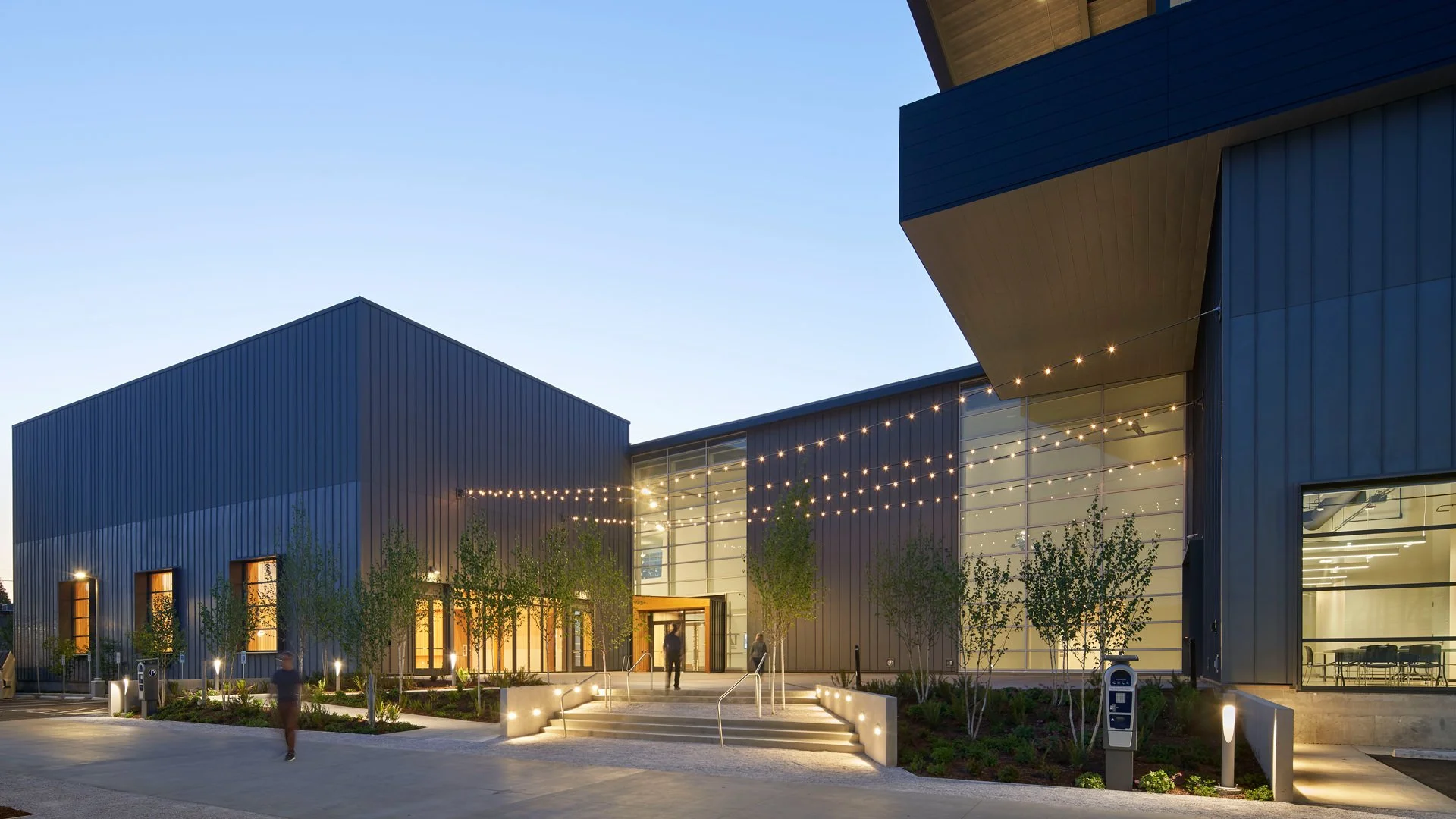
The Connected Cities Summit is hosted by the US Chamber of Connection in partnership with the National Nordic Museum. The museum is more than a venue, it's a provocation. Nordic countries consistently rank as the happiest and most prosperous in the world, not despite their investment in social connection, but because of it. It's the right place to ask what an American connection-first city could look like.

Summit Curators
Aaron Hurst
Founder of the US Chamber of Connection and one of America's leading architects of social change. As Summit Creative Director, he's designing the ideas, provocations, and frameworks that will forge a shared blueprint and ignite a movement to redesign American cities for human flourishing.
Charlotte Massey
Co-founder of the US Chamber of Connection and leads its Seattle chapter, driving the work to make Seattle the most welcoming city in America. As our Seattle Experience Creative Director, she's bringing the best of the city into the room and out into the streets, so Seattle itself becomes part of what you learn.
Jacob Simons
Principal at Gensler and one of the country's leading experts on how space shapes human behavior. As our Summit Experience Creative Director, he's designing every environment at the summit to unlock creativity, deepen connection, and ensure the work we do enables us to build connected cities together.
Michael Hebb
Renowned speaker, writer, chef and the pioneer of the pop-up restaurant movement. His topic-based dinners, including Death Over Dinner and Exodus Over Dinner, have convened millions around the globe. As our Culinary Experience Creative Director, he’s designing every meal to do what he does best, use the table as a catalyst for the conversations that matter most.
Travel & Accommodations
We encourage participants to stay near the National Nordic Museum in Seattle’s Ballard neighborhood to remain immersed in the experience. There are a range of Airbnbs and small hotels in the area but they will book quickly.
Plan to be in Seattle the night of October 14th and to leave the morning of the 17th to ensure you are able fully participate.
Imagine an experience of deep connection, creativity, joy, and hope — with a community of people who share your vision and values.
After two unforgettable days, you’ll have the connections, ideas, and energy to power your courageous work forward.
APPLY TO ATTEND
Summit Sponsorship
The Connected Cities Summit brings together the leaders designing how people connect in modern life—across cities, institutions, and communities.
Your partnership helps turn ideas into action and scale what works across cities.
Interested in partnering to help reconnect cities?