
Community Service
06
Mobilizing Community Service
Your hub for everything you need to know about using volunteering to reconnect your community.
Giving time and skills to support a local nonprofit, school, neighbor, or cause.
Community Service Connects Us
Majority of Americans Don’t Regularly Volunteer
Only 26% of people regularly volunteer.
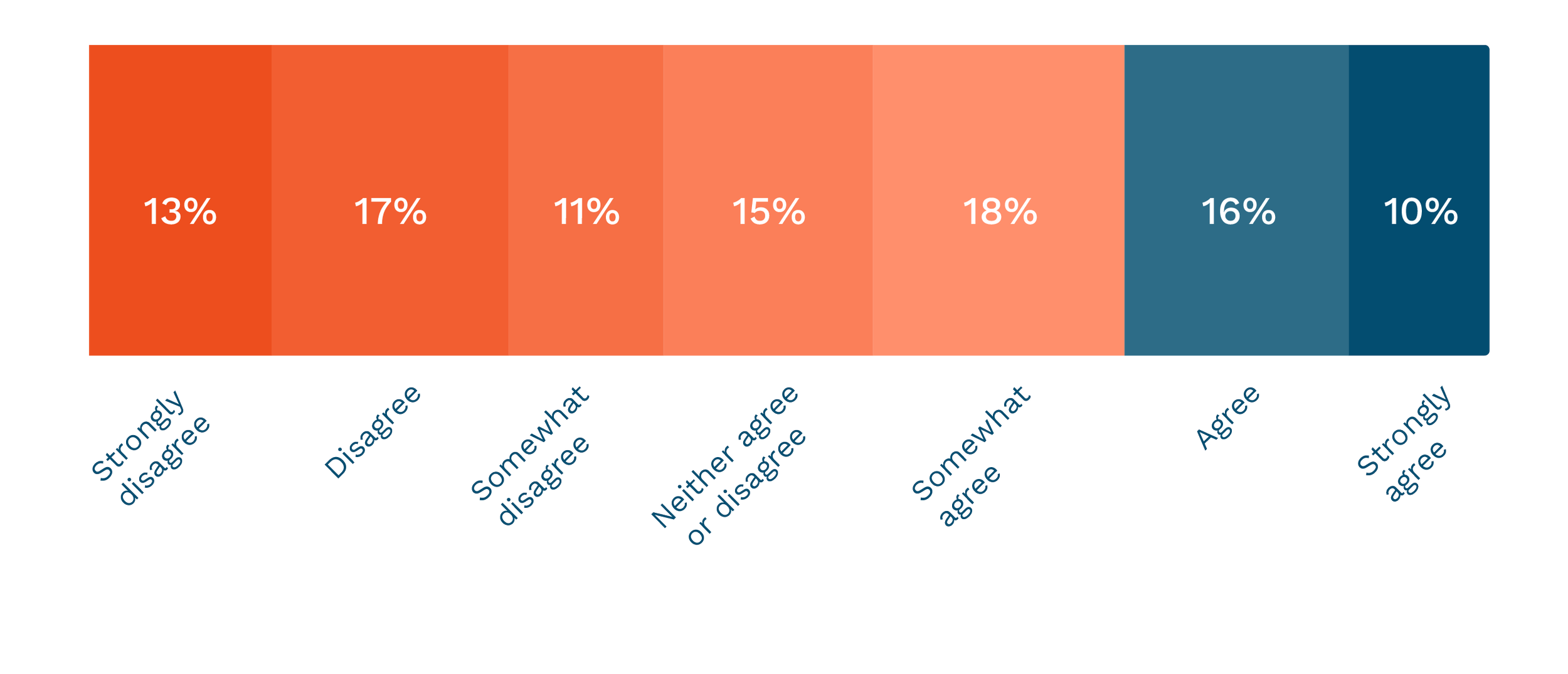
I regularly engage in community service or activities that help others in my community.
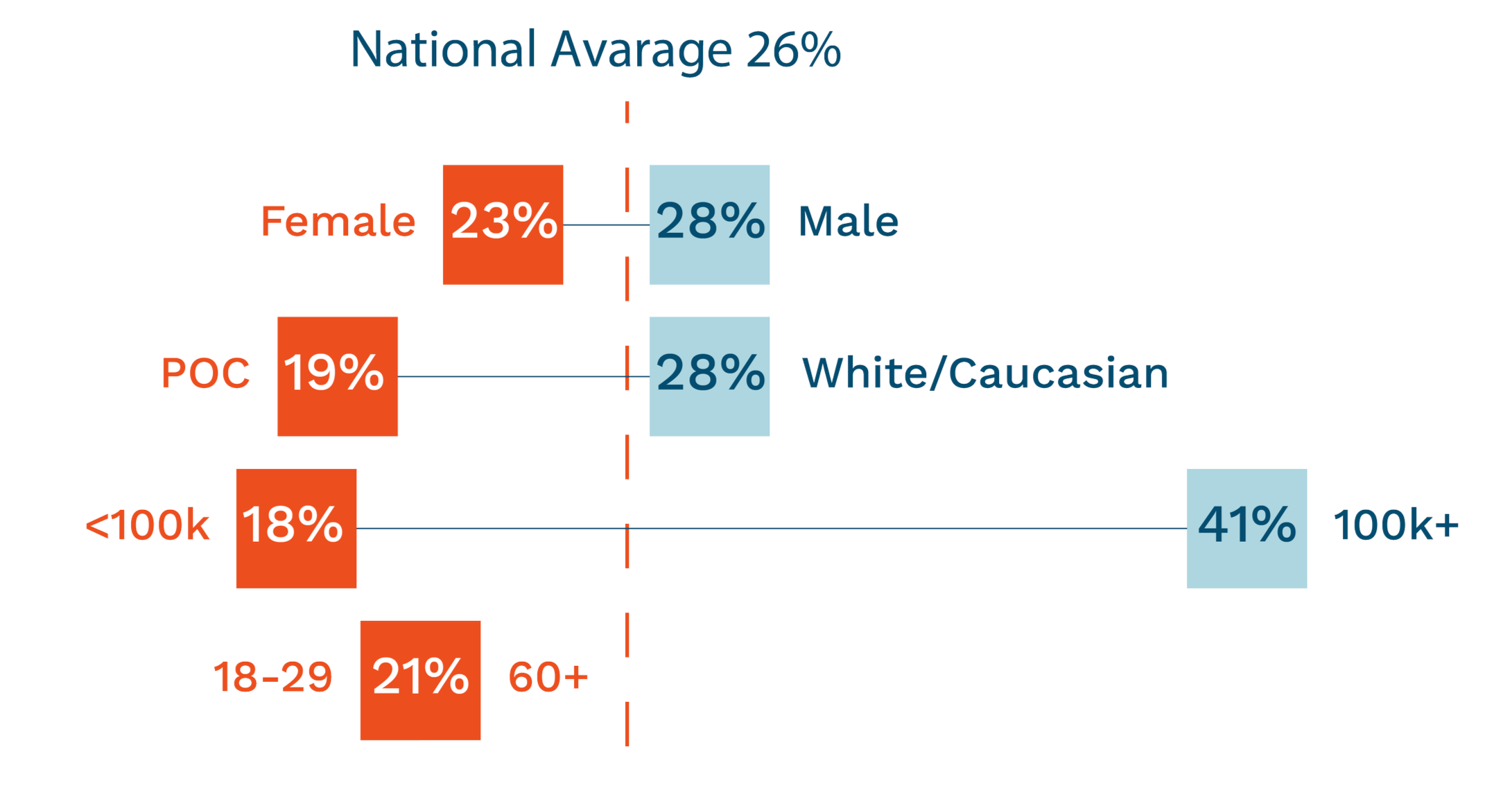
Who Is Engaging?
Higher-income and white households are more likely to regularly engage in community service based on our 2026 national survey.
Connection Via Service
Develop service programs that focus on connection as an outcome (block parties, social clubs, etc.).
Build meaningful conversation and reflection into every event.
Add social events into service projects (e.g., meals after a project).
Create ongoing engagement to build repeated contact and trust.
Be intentional, especially when there are power dynamics that need to be considered.
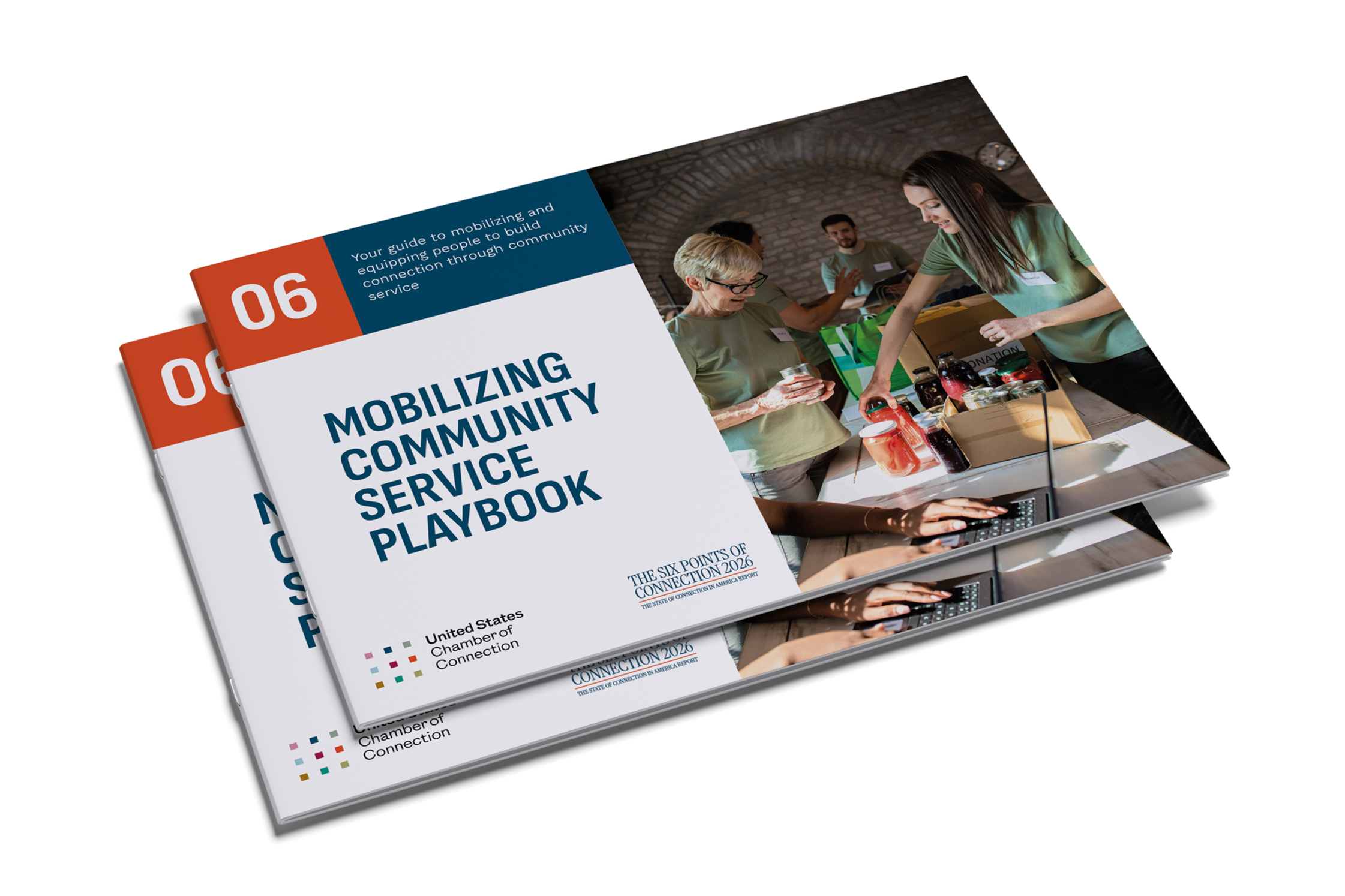
Download the Playbook
National Study: Who is serving and how is service impacting connection
The Connection Capacity Ladder: Using Community Service to Activate the Six Points of Connection
Relational Volunteering Framework™️: How to build connection into every service program
Measuring Connection: How to measure the impact of service on connection
Measuring Impact
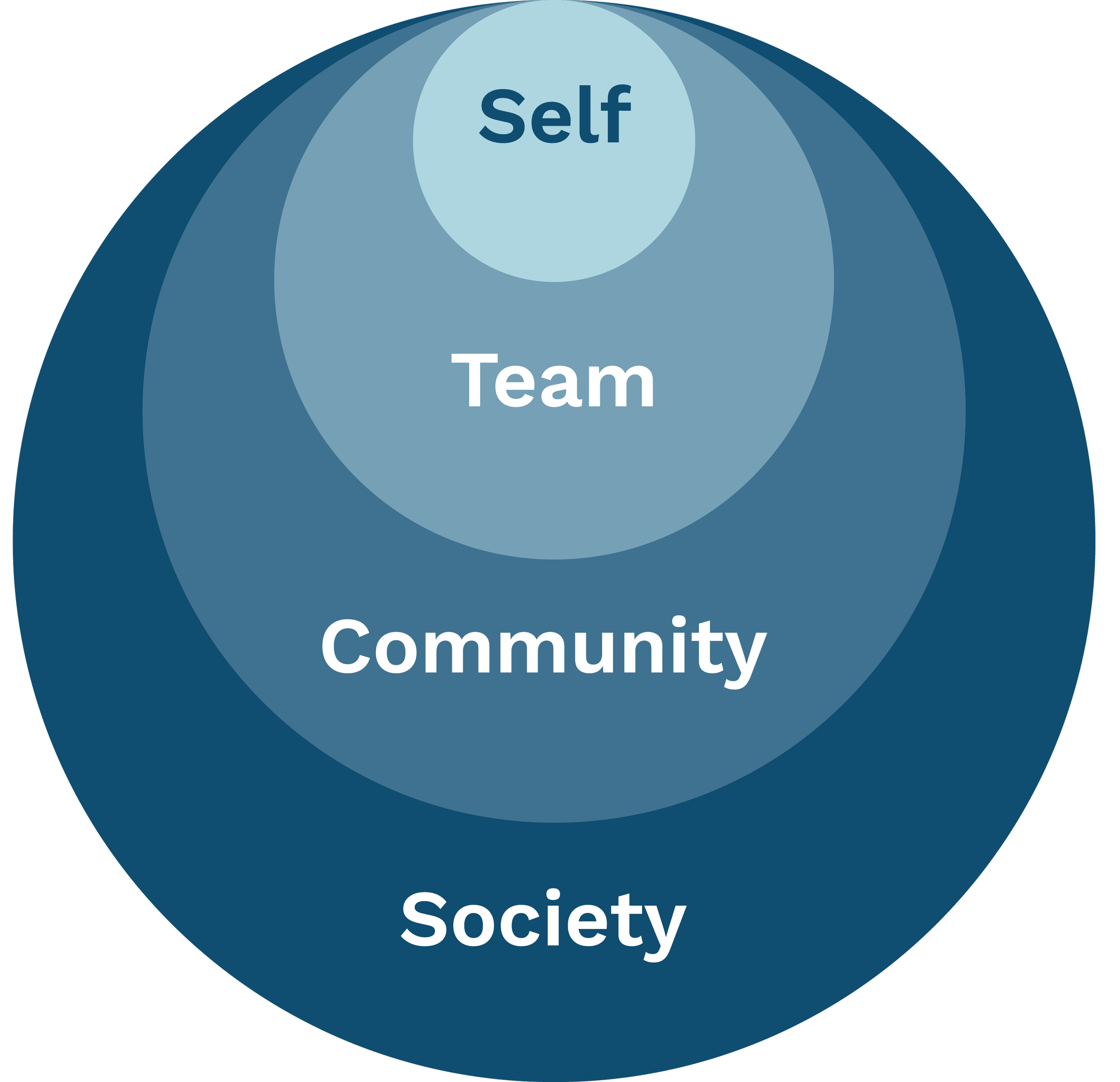
Self: Skills built, new relationships formed, motivation to engage, new habits adopted
Team: Bonds deepened, trust built, skills revealed in each other
Community: Trust between volunteers and those served, relationships formed, barriers crossed, new habits adopted
Society: Generalized trust increased, networks built, cultural norms shifted toward connection
Partner with the Us
For Cities
Bring the Chamber of Connection to Your City
Launch a local Chamber of Connection to help newcomers and longtime residents build trust, belonging, and shared ownership — using the Six Points of Connection and shared national infrastructure.
For Employers
Turn Employee Volunteering into Community Impact
Engage employees as trained Welcome Committee volunteers — helping reconnect neighborhoods while supporting wellbeing, retention, and local impact through our national program.
For Everyone
Become a Welcome Committee Volunteer
Join neighbors in your community to welcome newcomers, host gatherings, and help rebuild connection where you live — one relationship at a time.
Video: Reconnecting Via Service
Video Highlights
Results of our 2026 national survey about the role of community service in building connection and trust.
The case for making “connection” a cause and how to measure the impact so we can close the $500 billion connection service gap.
How companies are starting to optimize service for connection
Resources for Your Local Chamber of Connection
Here are vetted volunteer platforms that you can use to build social connection infrastructure in your city or town. Contact us to recommend national resources for us to share.





We’ve partnered with University of California Berkeley to curate a list of articles for you to dive deeper into the science of connection via community service.
FEATURED
ADDITIONAL ARTICLES
Learn More About the Six Points of Connection
-
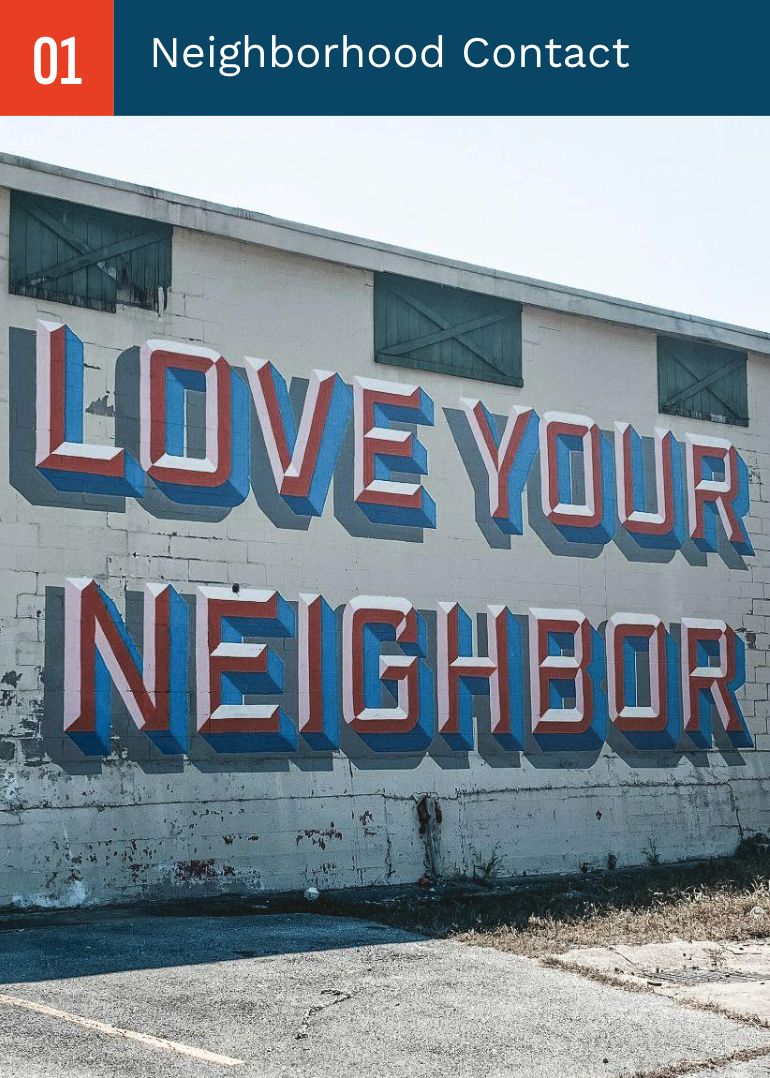
![A mural on a white wall with the words "LOVE YOUR NEIGHBOR" in 3D letters painted in red, white, and blue, with a small parking lot and a clear sky in the background.]()
42% of people have a neighbor they can count on in an emergency.
-
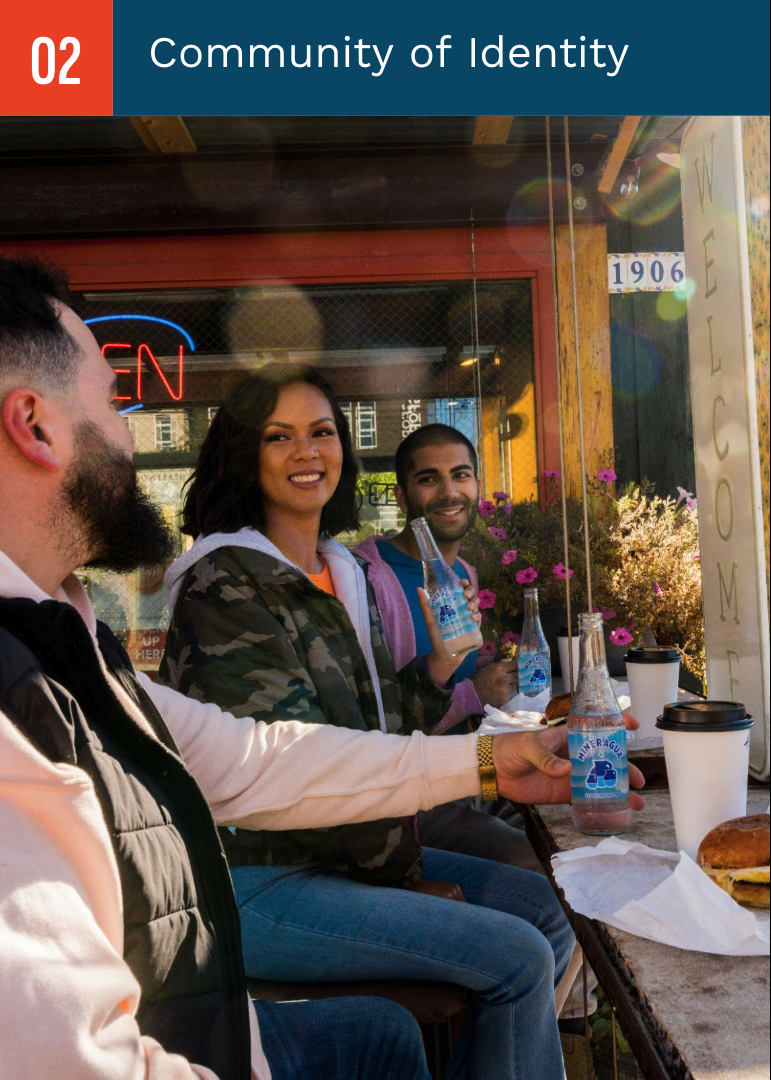
![Three friends enjoying drinks and food at an outdoor cafe, with a woman in the center smiling at the camera, and two men holding bottled beverages. The scene features a sunny setting with colorful flowers and cafe decor.]()
35% of people belong to a community with whom they share values and experiences.
-
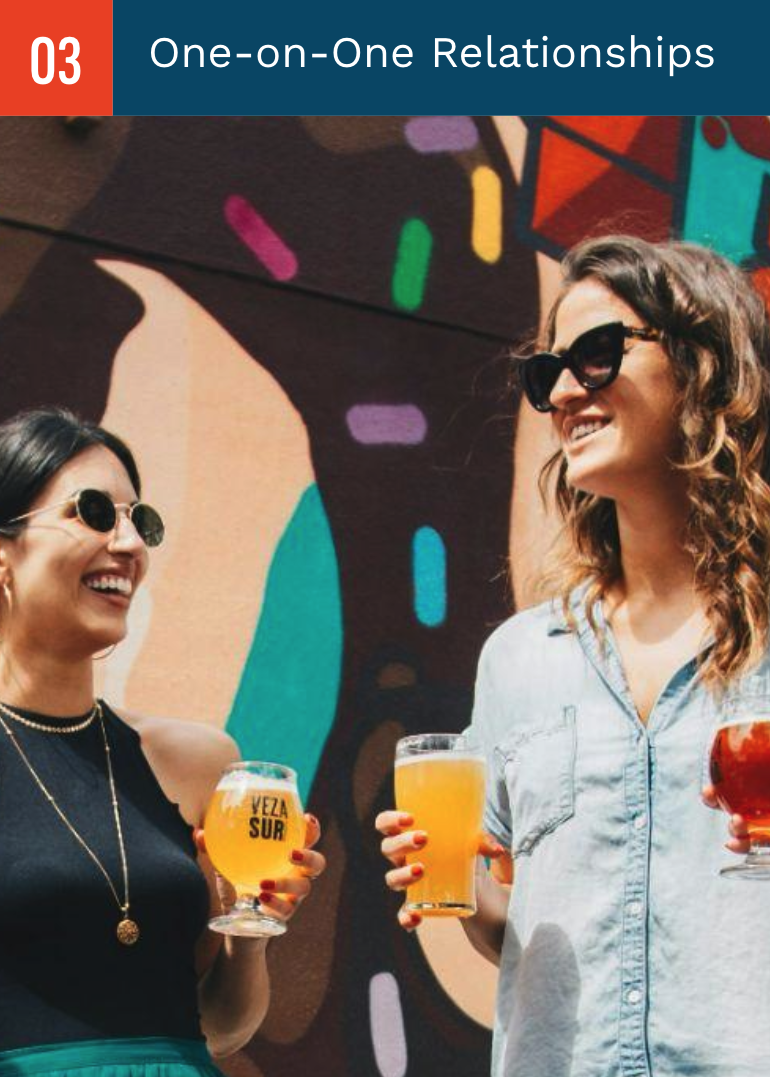
![Two women with sunglasses smiling and holding drinks, standing in front of a colorful abstract mural.]()
28% of people get together with friends and relatives at least twice per week.
-
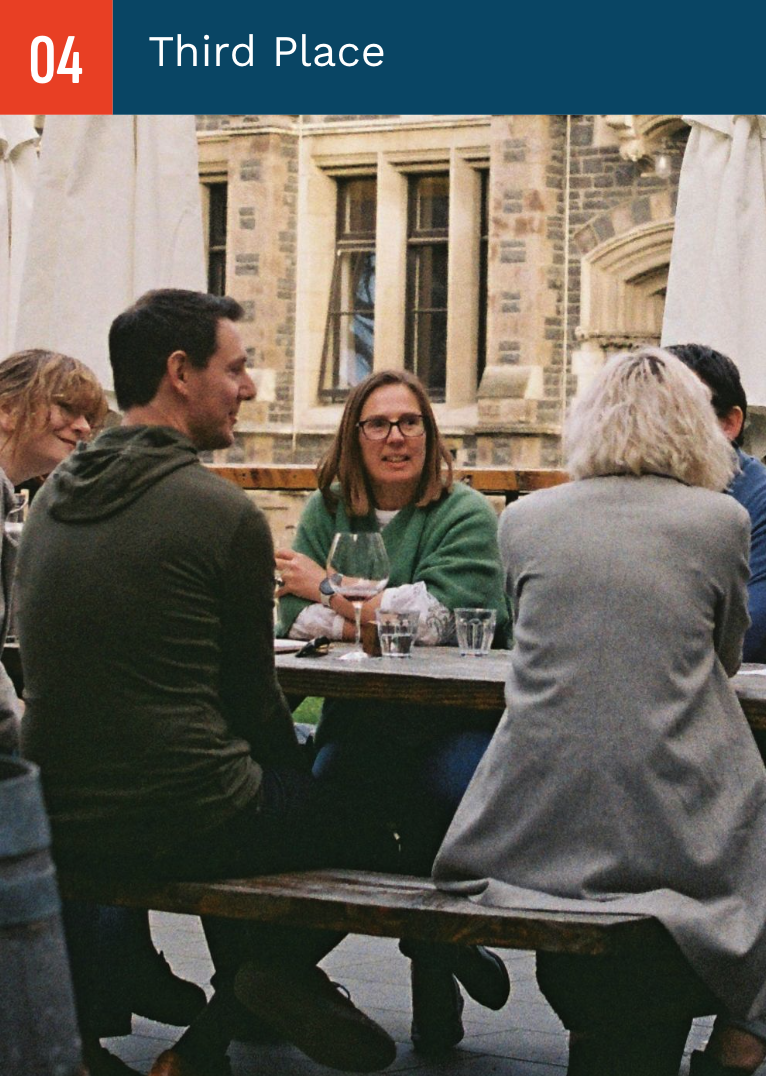
![A group of five people sitting at an outdoor table, engaged in conversation. The setting appears to be a restaurant patio, with a brick building in the background. The woman in the center wears glasses and a green sweater, and there are glasses and bottles of water on the table.]()
26% of people regularly visit a place outside home and work where other people naturally gather and build informal social ties.
-
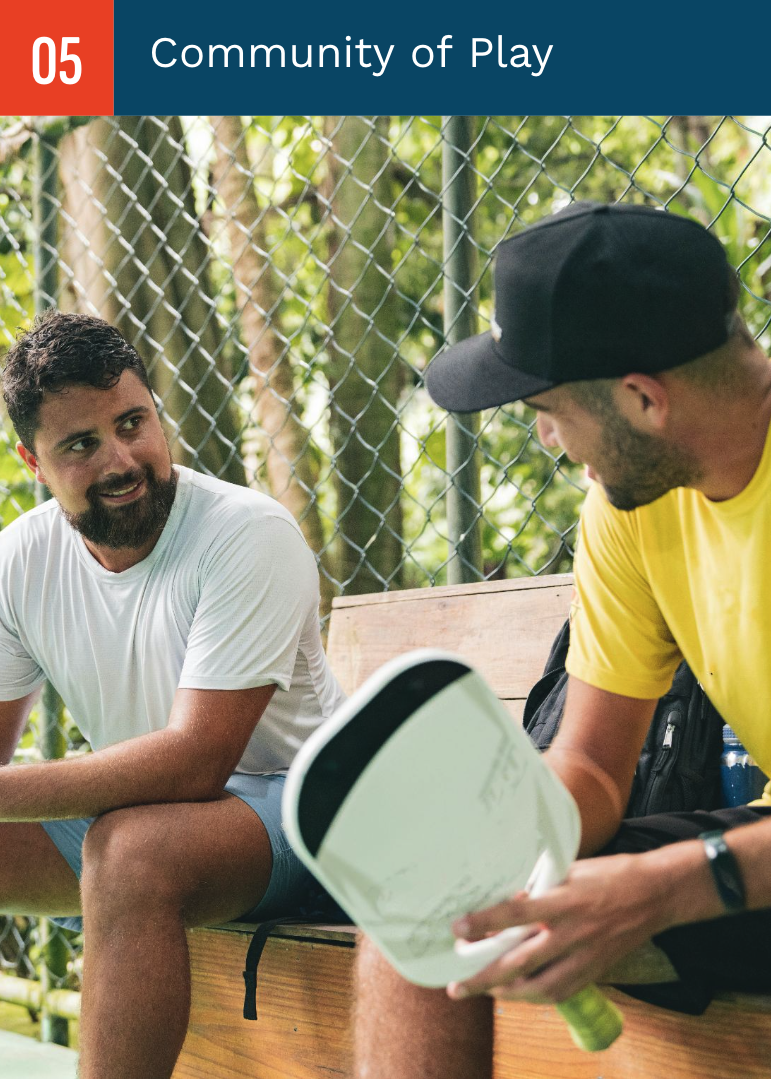
![Two men sitting on a wooden bench in front of a chain-link fence, engaged in conversation outdoors with greenery in the background.]()
30% of people belong to a community who do activities together.
-
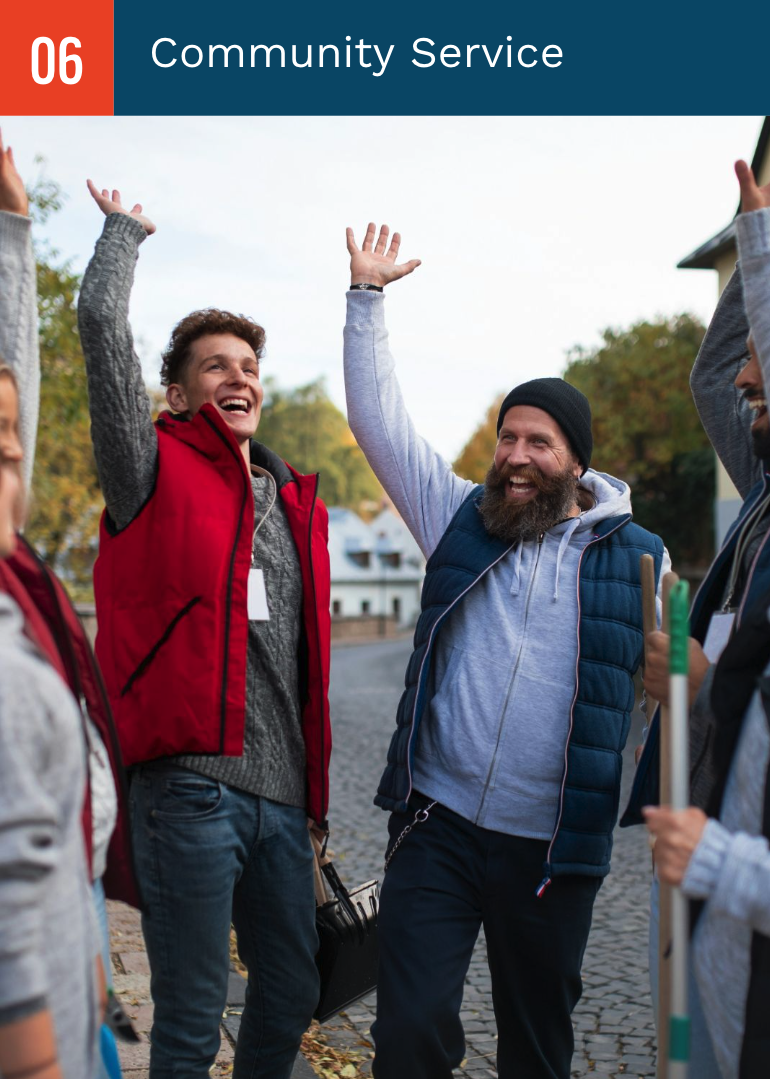
![]()
26% of adults regularly give their time, skills, or effort to support a local nonprofit, school, neighbor, or cause.

Our first annual report reveals where everyday social connection is breaking down — and introduces a practical, data-backed blueprint for rebuilding social bonds, trust, and belonging across communities.
Stay connected
Subscribe for updates, events, and opportunities to connect.