
The Six Points of Connection
Six everyday behaviors research shows can reverse the decline in connection and trust — strengthening individuals, communities, and society.
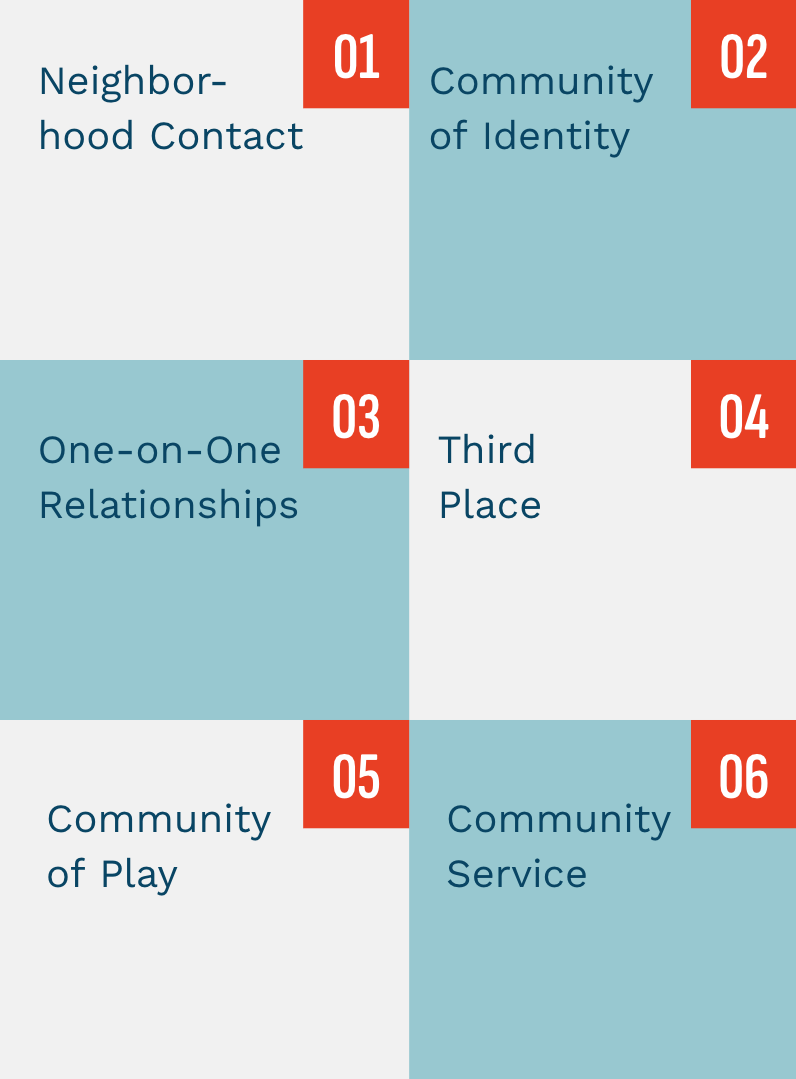
Social connection, more than any other factor, predicts our health, happiness, longevity, and ability to live harmoniously amongst those different from ourselves. But what exactly does it mean, and how do we intentionally cultivate it?
The US Chamber of Connection created the 6 Points of Connection as a clear and actionable checklist for individuals and leaders to define and strengthen social bonds. Grounded in extensive research across fields like psychology, healthcare, sociology, and urban planning, these six points address the core elements of social connection: safety, emotional bonding, bridging social divides, and civic engagement.
Individuals
This checklist is your blueprint for a thriving, connected life. Use it to assess your current social connections and make intentional choices to invest in meaningful activities and relationships.
Leaders
Whether you lead in business, education, or government, this checklist offers a strategic framework for measuring and fostering social connection. Focus your efforts on cultivating strong social networks among employees, students, and communities to create environments where everyone can thrive.
-
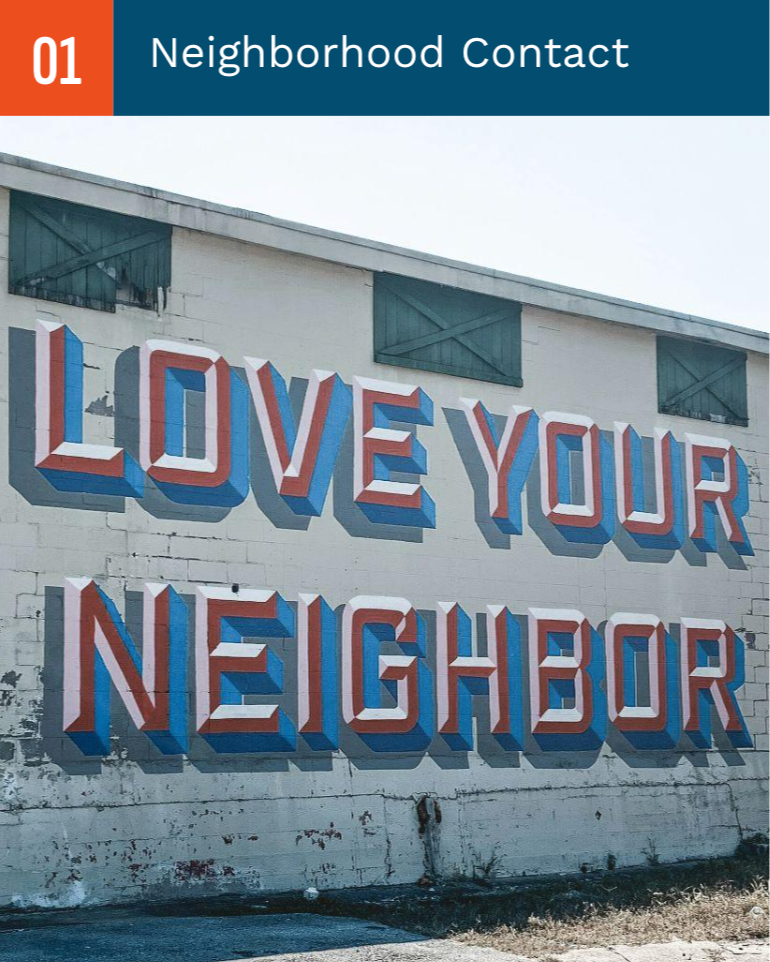
![A mural on the side of a building with large 3D letters that say "LOVE YOUR NEIGHBOR" in red, white, and blue colors.]()
42% of people have a neighbor they can count on in an emergency.
-
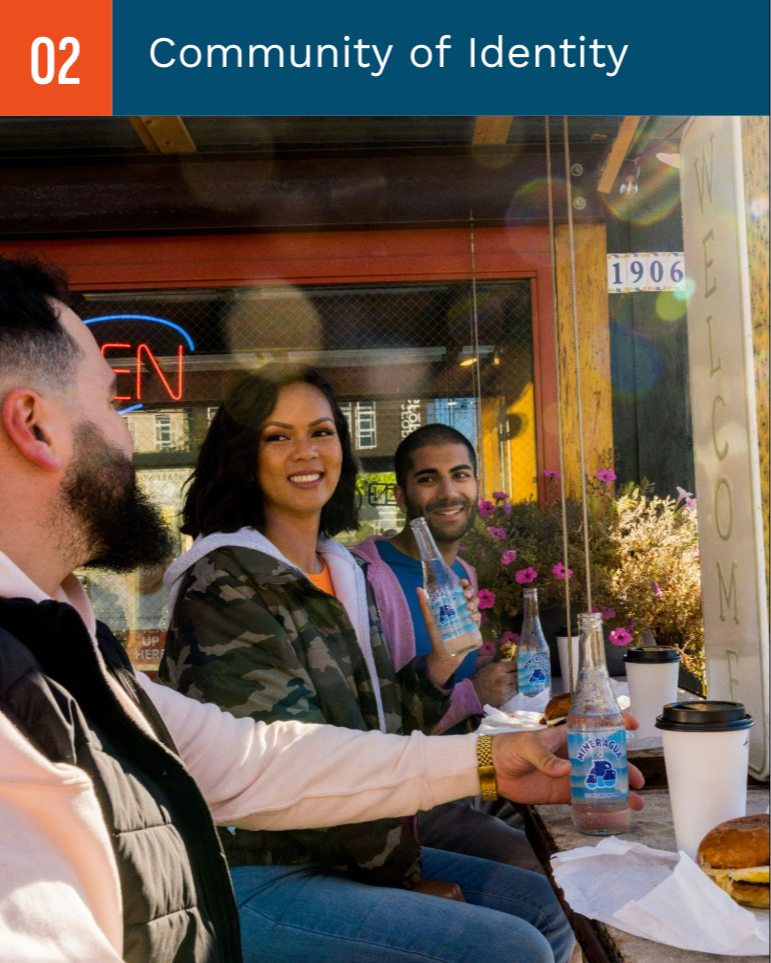
![Three people sitting at a restaurant table outside, smiling and enjoying drinks. Two have bottles of mineral water, one has a coffee cup. The background shows a storefront with a neon 'OPEN' sign and purple flowers.]()
35% of people belong to a community with whom they share values and experiences.
-
![Two women smiling and drinking beer, standing against a colorful mural, one with dark hair and sunglasses, the other with curly hair and sunglasses.]()
28% of people get together with friends and relatives at least twice per week.
-
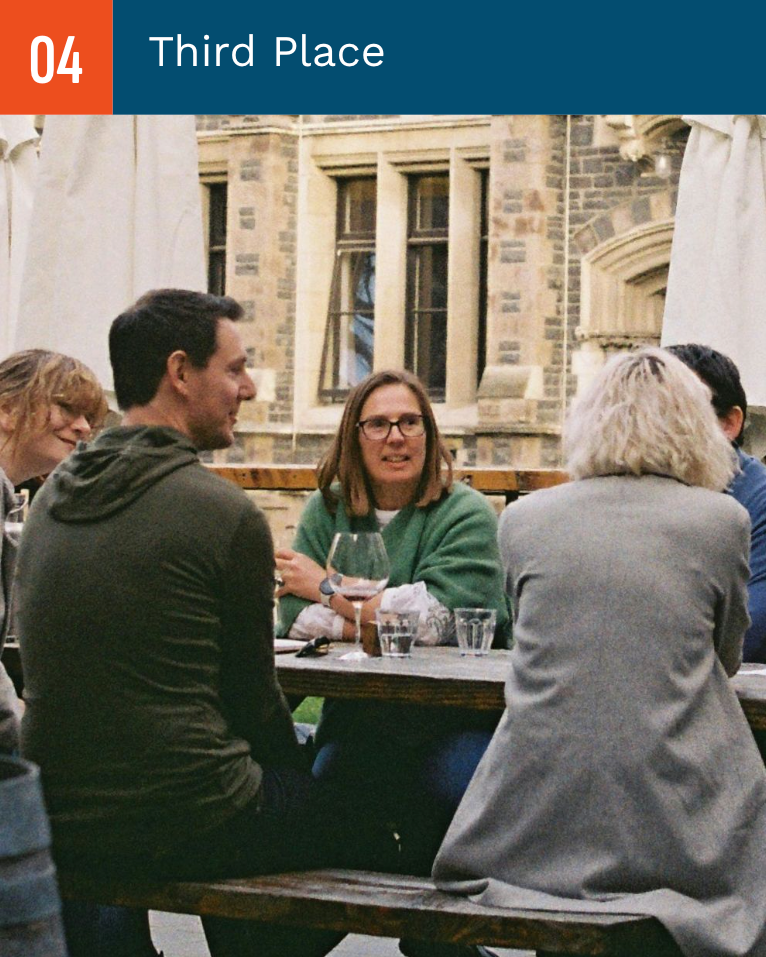
![Group of five people sitting at a picnic table outdoors, engaged in conversation, with a historic brick building in the background.]()
26% of people regularly visit a place outside home and work where other people naturally gather and build informal social ties.
-
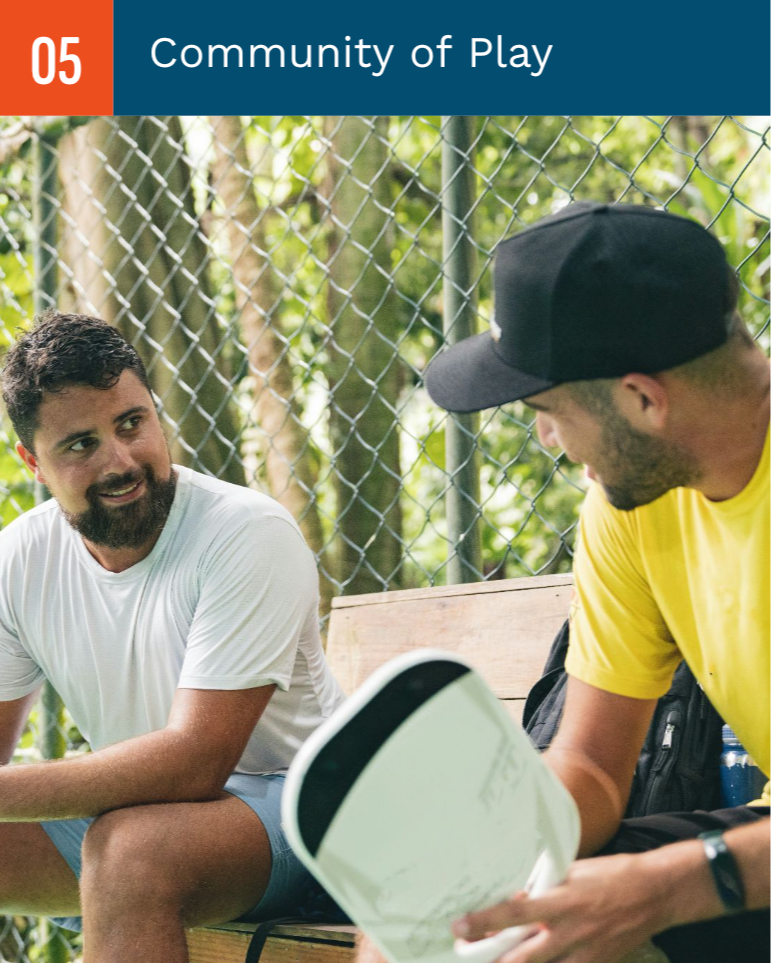
![Two men sitting on a bench and smiling, talking, near a chain-link fence with trees in the background.]()
30% of people belong to a community who do activities together.
-
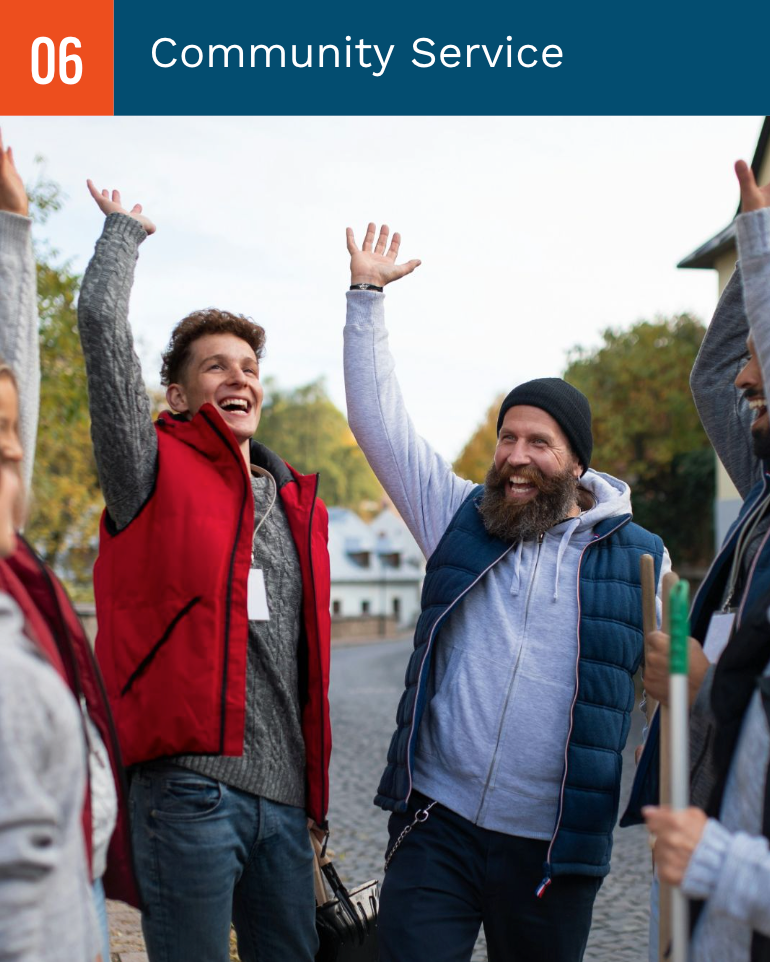
![]()
26% of adults regularly give their time, skills, or effort to support a local nonprofit, school, neighbor, or cause.


Our first annual report reveals where everyday social connection is breaking down — and introduces a practical, data-backed blueprint for rebuilding social bonds, trust, and belonging across communities.
Join the Movement
Choose how you want to help rebuild connection in your community.
For Cities
Bring the Chamber of Connection to Your City
Launch a local Chamber of Connection to help newcomers and longtime residents build trust, belonging, and shared ownership — using the Six Points of Connection and shared national infrastructure.
For Employers
Turn Employee Volunteering into Community Impact
Engage employees as trained Welcome Committee volunteers — helping reconnect neighborhoods while supporting wellbeing, retention, and local impact through our national program.
For Everyone
Become a Welcome Committee Volunteer
Join neighbors in your community to welcome newcomers, host gatherings, and help rebuild connection where you live — one relationship at a time.
Stay connected
Subscribe for updates, events, and opportunities to connect.