
Our first annual report reveals where everyday social connection is breaking down — and introduces a practical, data-backed blueprint for rebuilding social bonds, trust, and belonging across communities.

From understanding the decline in connection to rebuilding it — together.
In 2000, Robert Putnam’s Bowling Alone described the long decline of social connection in America, and in 2023 the U.S. Surgeon General declared it a national emergency.
This report builds on decades of research to answer the next question: how leaders and communities can reverse that decline by building the needed social and civic infrastructure for everyday connection.
What the Social Connection Index Measures
The Social Connection Index (SCI) measures six everyday, place-based behaviors of connection — the kinds of relationships, supports, and shared spaces that enable people to thrive and fully participate in their communities.
These touch points reflect how connection actually shows up in our lives, not just how connected people feel.

An Uneven State of Connection
52% of U.S. adults fall in the at-risk or vulnerable range, bands associated with lower access to relationships, support, and shared places.
Four Different Lived Experiences
THRIVING
17%
People have strong, diverse connections and broad civic ties, marked by high trust, voice, and resilience.
People have very limited durable relationships, low trust, little civic voice, and minimal access to shared or bridging spaces in daily life.
AT RISK
20%
People have some connections, but inconsistent support, fragile trust, limited influence, and fewer relationships across difference.
VULNERABLE
32%
People have dependable relationships, baseline trust, and access to community that supports everyday life and participation.
HEALTHY
32%
No Point is Widely Practiced in America
Percentage of people reporting healthy or thriving levels of adoption of each of the Six Points of Connection.
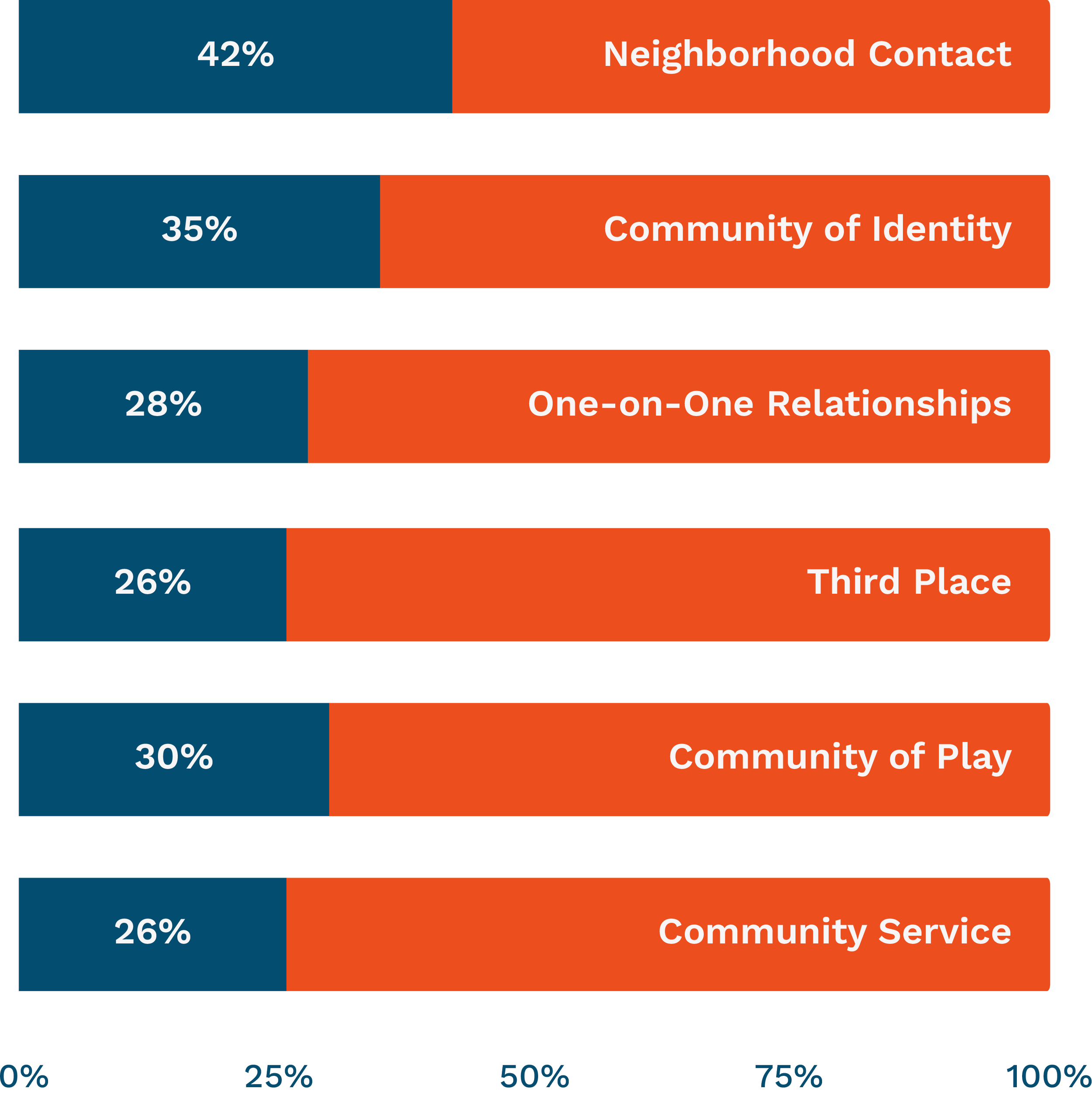
Most of the Six Points are adopted by less than one-in-three people.
Across the report, Community of Play is associated with higher adoption of other Six Points.
Reported Barriers to Connection Are Wide Ranging
However, only four reported barriers were linked to lower SCI scores.
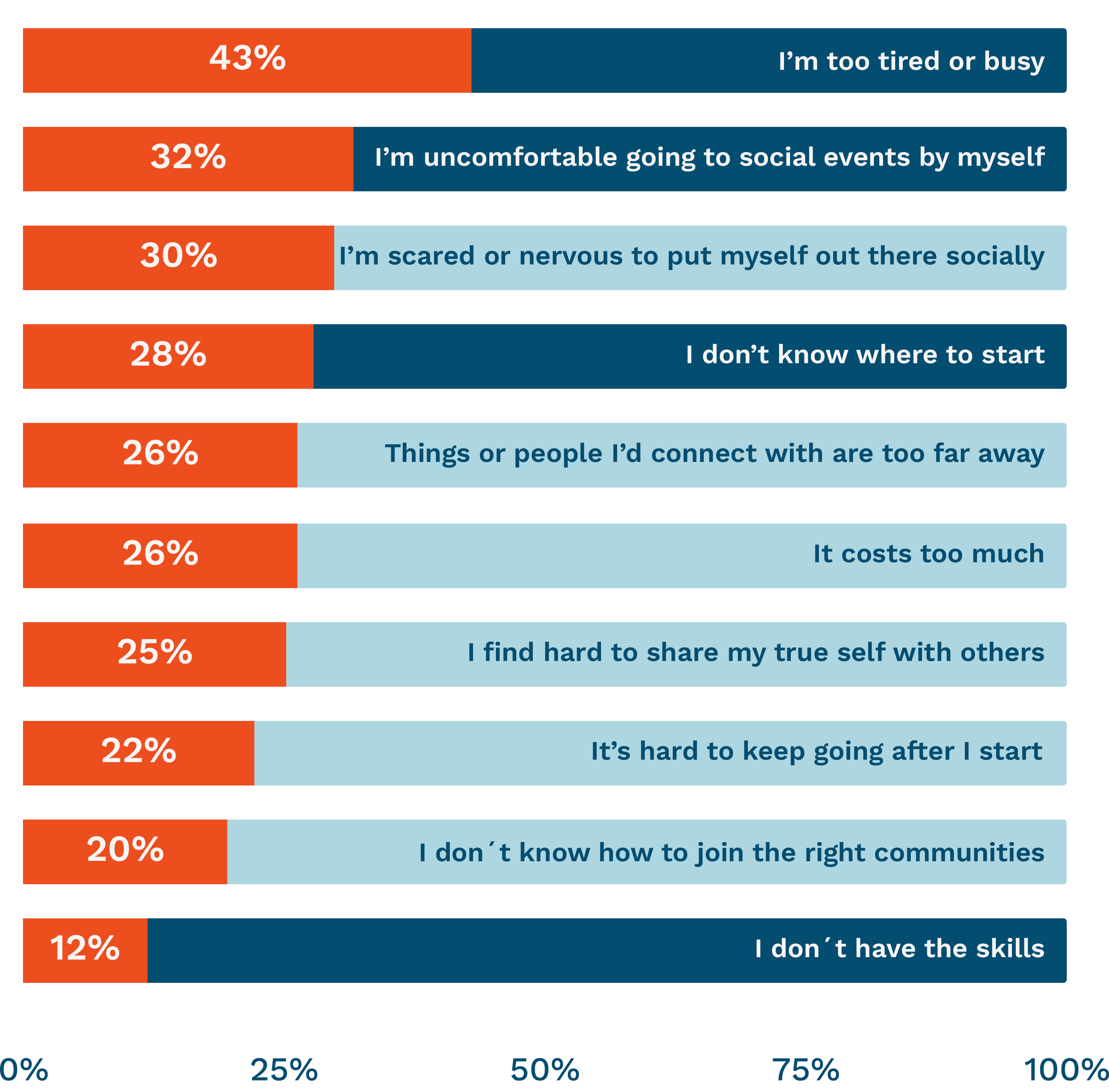
Which of the following are barriers that make it difficult for you to build or maintain connections right now?
Dark blue indicates that this barrier is associated with lower SCI scores.
Most Are Interested In Connecting Across Difference
Despite the barriers, 60% report being open to connecting, even across difference.
In general, how interested are you in making connections with people different to yourself?
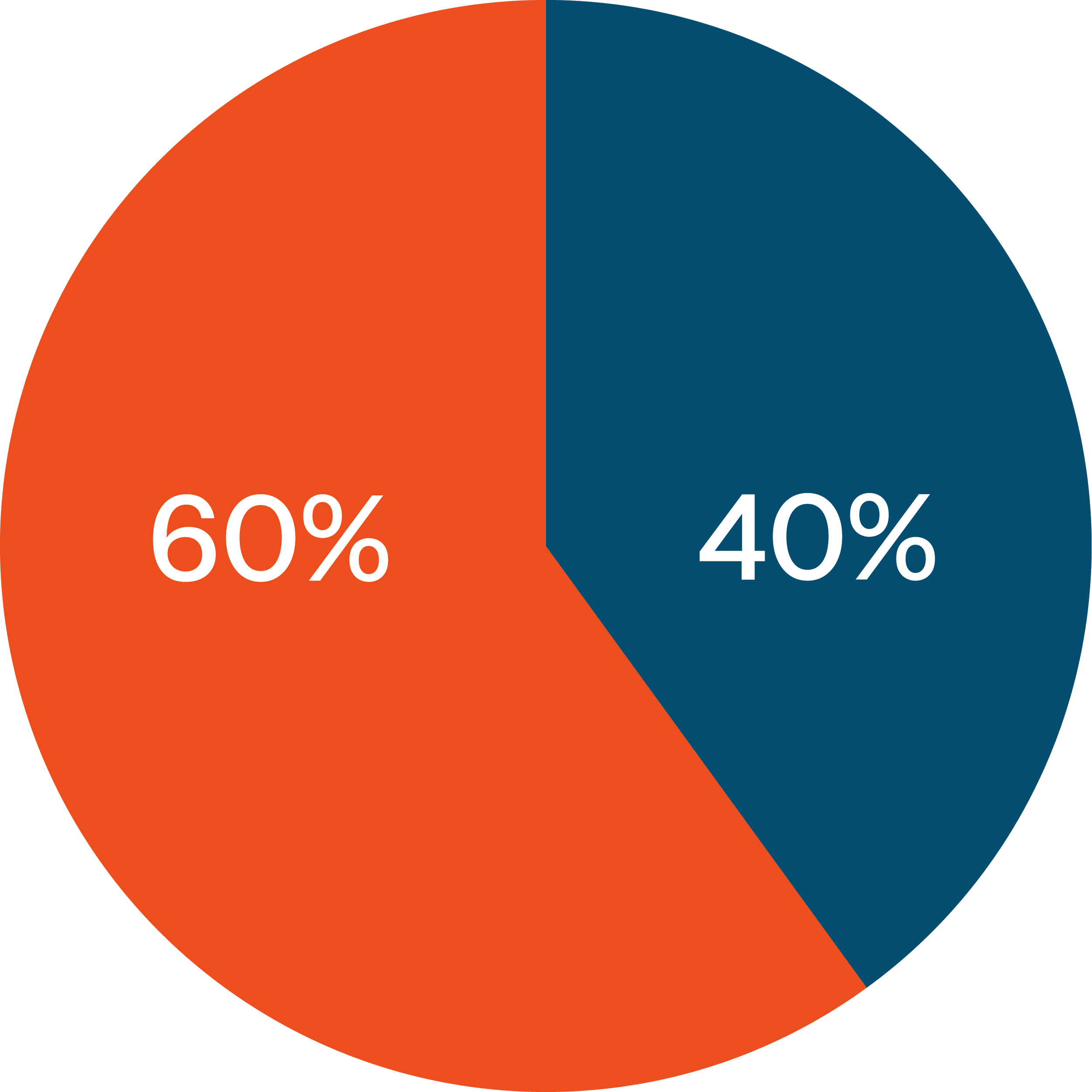
60% reported 6 or higher on a 10-point scale.
Openness Depends on the Type of Difference
People are 57% more likely to be open to connecting across race than political ideology.
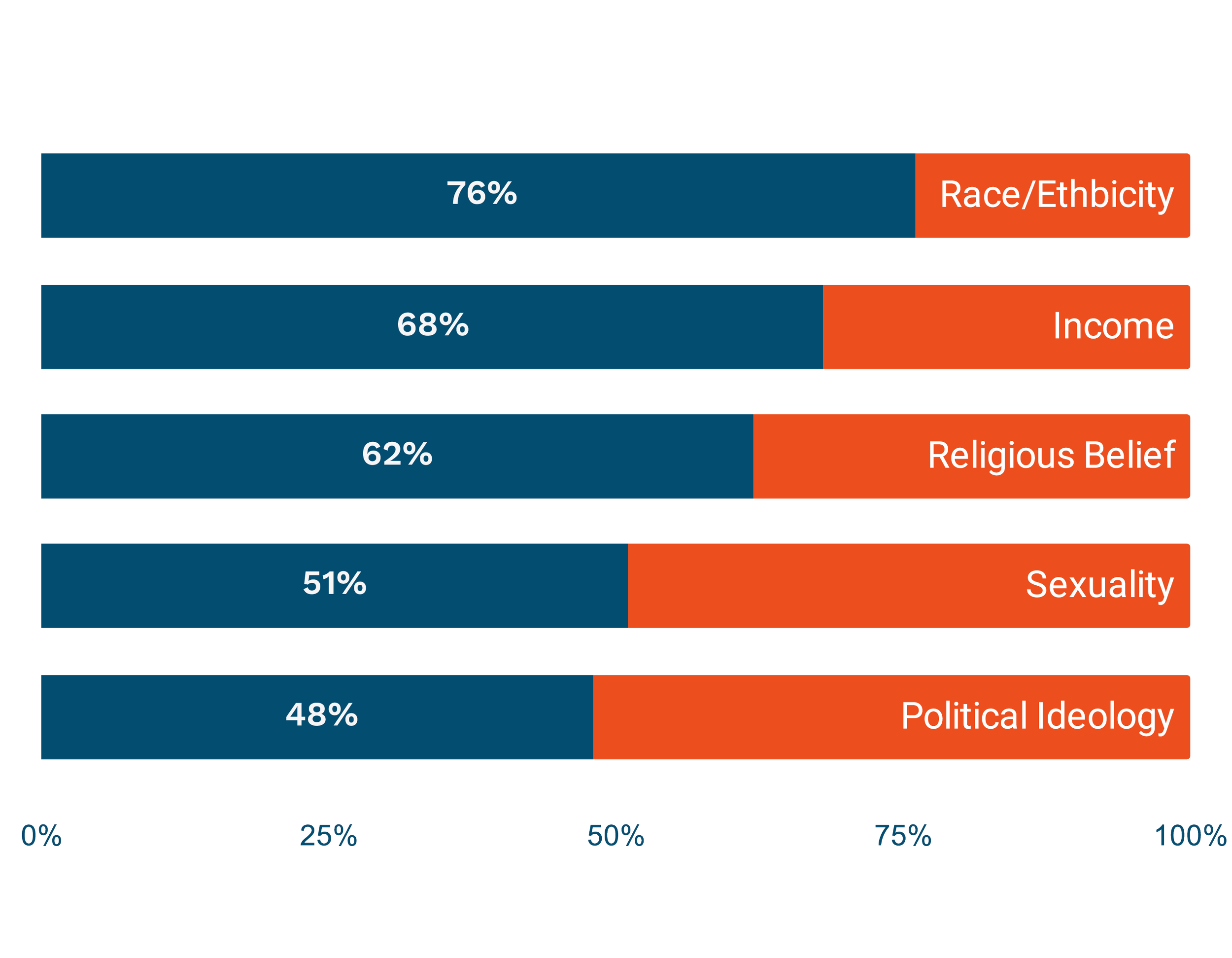
Fill in the blank by selecting what groups of people you’d be open to connecting with. Select all that apply. “I would be open to connecting with people of a different [ ________ ] than my own.”
Connecting Across Income-Level Is Desired
Openness to connect across income-level, by household income.
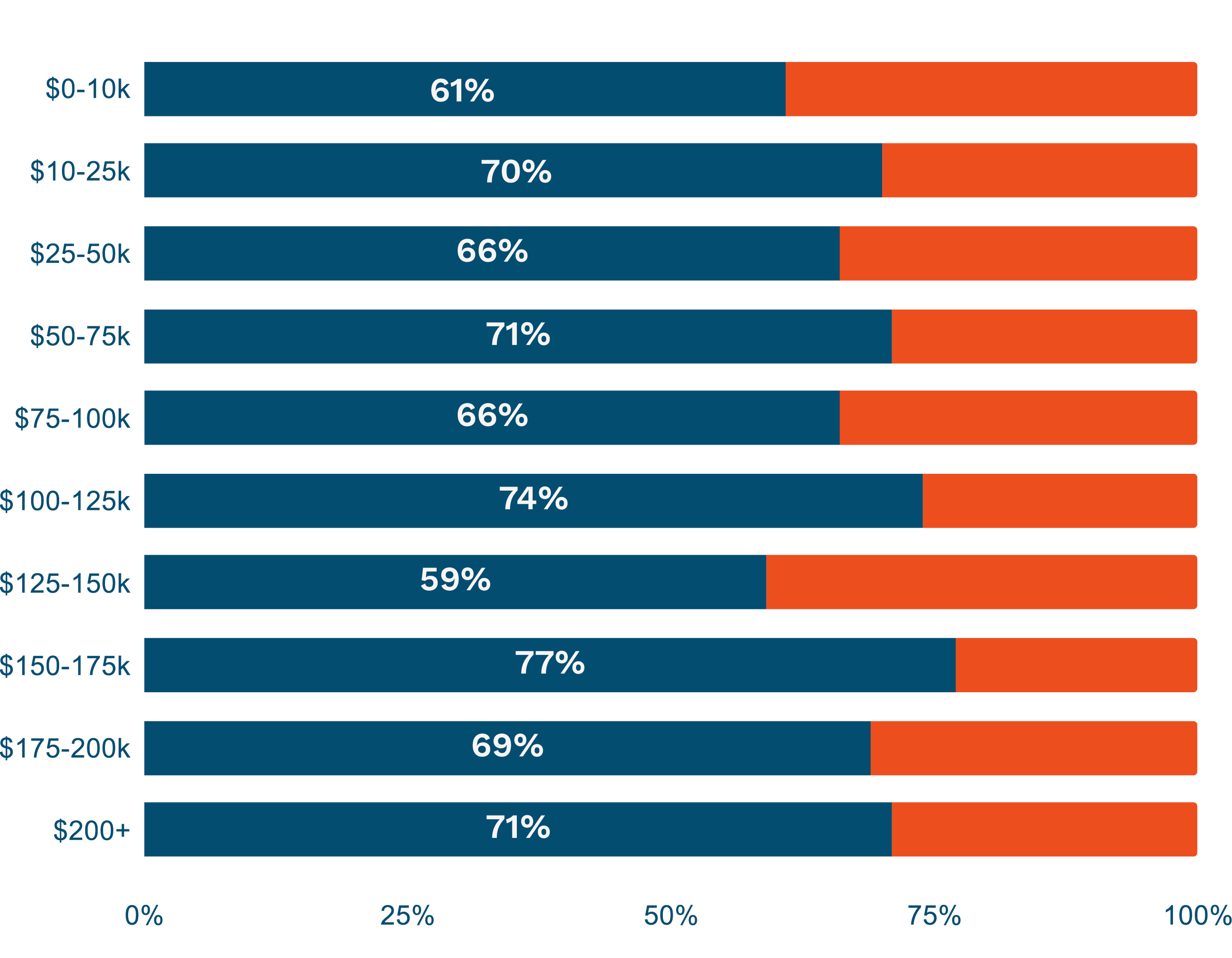
Across nearly every income level, there are about twice as many people who want to connect across income compared to those who don’t.
Connection Is the Shared Civic Cause
A unifying frame leaders can use to mobilize broad support for change
Our shared need for connection offers a rare opportunity: a cause that affects every group, delivers broad social and economic returns, can enable everyone to contribute, and can only be addressed together.
Rally your community to adopt the Six Points of Connection as the common framework to build, measure, and sustain social connection—together.
Join the Movement
Choose how you want to help rebuild connection in your community.
For Cities
Bring the Chamber of Connection to Your City
Launch a local Chamber of Connection to help newcomers and longtime residents build trust, belonging, and shared ownership — using the Six Points of Connection and shared national infrastructure.
For Employers
Turn Employee Volunteering into Community Impact
Engage employees as trained Welcome Committee volunteers — helping reconnect neighborhoods while supporting wellbeing, retention, and local impact through our national program.
For Everyone
Become a Welcome Committee Volunteer
Join neighbors in your community to welcome newcomers, host gatherings, and help rebuild connection where you live — one relationship at a time.

Aaron Hurst
Architect and Principal Investigator
Aaron Hurst is an expert in purpose and social connection whose work includes the first national study of purpose at work in partnership with NYU and the first global study in partnership with LinkedIn. The author of The Purpose Economy, his work has been featured in the New York Times, Washington Post, Psychology Today, Stanford Social Innovation Review, MIT Sloan Management Review, and Bloomberg. He previously founded Taproot Foundation and Imperative, which helped build the fields of pro bono service and purpose at work. He is a graduate of the University of Michigan.
Aaron is the founder and CEO of the US Chamber of Connection, where he uses behavioral science to build the infrastructure for connection in America.
Ian Hajnosz, PhD Lead Data Scientist & Research Methodologist
Antonia Nicholls, Data Visualization & Report Designer
Vickery Prongay, MPA Editorial & Research Strategist
Download the report here
What Leaders Need to Know
A clear, leader-focused walkthrough of the 2026 State of Connection—and what it means for the future of civic life, work, and community.
In this webinar, you’ll learn:
Where connection is breaking down most and why
What the data tells us about trust, belonging, and mobility
How cities, employers, and institutions can respond
Launch a Chamber of Connection in Your City
Learn how to bring this work to your community.

Stay connected
Subscribe to our email updates to get tips and access to new events and services.