

Social Connection
as a Cause
A coalition of 15+ backbone leaders across philanthropy and volunteering working to name, define, and mobilize investment in social connection as a response to the greatest threat to our shared humanity.
Coalition Members





The Next Major Cause
Roughly every 50 years, a cause emerges that is not incremental, but existential—reshaping how philanthropy and society respond. In the late 20th century, that cause was the environment: stewardship of the natural systems we share.
Today, we face a similar inflection point. But the threat is not to the planet—it is to our humanity.
More than half of Americans are at risk when it comes to social connection, with declining trust and rising isolation undermining health, economic mobility, and civic life. What is eroding is the social fabric that allows communities and institutions to function. What defines our humanity.
Like environmental degradation before it, this is a systemic challenge requiring a coordinated response at scale.
The question is whether philanthropy will lead—and build connection as the next great cause.
The loneliness epidemic needs its own philanthropic movement
More than half of U.S. adults are at risk of social disconnection. Fragmented giving won't solve this crisis.
The following is an excerpt from an article by Aaron Hurst, originally published in The Chronicle of Philanthropy.
Every generation defines its priorities through the causes it chooses to invest in. In the early 1990s, the previously fragmented environmental movement became recognized as a unified cause — one that philanthropy helped name, fund, and organize. That shift not only raised awareness but created new institutions, public policy, and resources. Protecting the environment moved from a niche concern to a societal responsibility.
Similarly, after 9/11, a national call to service helped catalyze a sustained commitment to supporting veterans and first responders. Billions of dollars in philanthropic and charitable giving flowed toward relief efforts, victims’ families, and long-term support systems, alongside the creation of new institutions.
Today we are at an inflection point for another entrenched societal problem: the social connection crisis.
For several years researchers have raised alarms about a pervasive loneliness epidemic across all age groups. A survey earlier this year by the US Chamber of Connection, the organization Aaron leads, found that more than half of U.S. adults are at risk or vulnerable when it comes to social connection. And yet, unlike other defining issues of past decades, social connection has not been funded or organized as a cause for action
Lack of social connection manifests in various ways. Fewer than half of adults report having a neighbor they can rely on in an emergency. Nearly 70 percent say they never participate in clubs or organizations. Trust in institutions, most notably the federal government, is at an unprecedented low, while shifting economic pressures and new technologies have eroded many of the shared routines and third spaces where connection once formed organically.
The full article is published in The Chronicle of Philanthropy and may require a subscription to access.
Raising Social Connection as a Funder Priority
A virtual closed-door roundtable where grantmakers discuss the internal mechanics of funding social connection as a distinct priority.
This closed-door funder virtual roundtable brings together a small group of grantmaking organizations for a candid conversation on resourcing social connection as a distinct investment priority.
Carrie Varoquiers, Chief Impact Officer at Workday, and Jennifer Hoos Rothberg, Executive Director at Einhorn Collaborative, will share the internal mechanics of their funding decisions: how they built the case internally, what they are measuring, and how they structure their giving to advance social connection within their institutions and the fields they support.
The session opens with a conversation between Carrie and Jennifer, then turns to attendee questions and a deeper look at strategy. Space is reserved for grantmakers only to keep the discussion open and focused on institutional decision-making. Attendees can expect to leave with a convincing case for funding and a concrete next step for their own portfolio.
This roundtable is limited to program officers, directors, and executives at grantmaking organizations with decision-making responsibility over funding priorities. Space is limited, and registration requests are reviewed to keep the group small and the conversation candid.
November 5, 2026 at 10am PT / 1pm ET
Register to be a part of the roundtable!
Meet the people guiding the conversation

Jennifer Hoos Rothberg,
Jennifer Hoos Rothberg leads Einhorn Collaborative, a nonprofit foundation dedicated to advancing the science and practice of social connection and cohesion. She oversees all aspects of the foundation in partnership with its Founder and Trustee, David Einhorn, including setting strategic priorities and building collaborative partnerships that help people embrace differences, see our common humanity, and solve our country’s biggest challenges together.
Executive Director at Einhorn Collaborative
Carrie Varoquiers
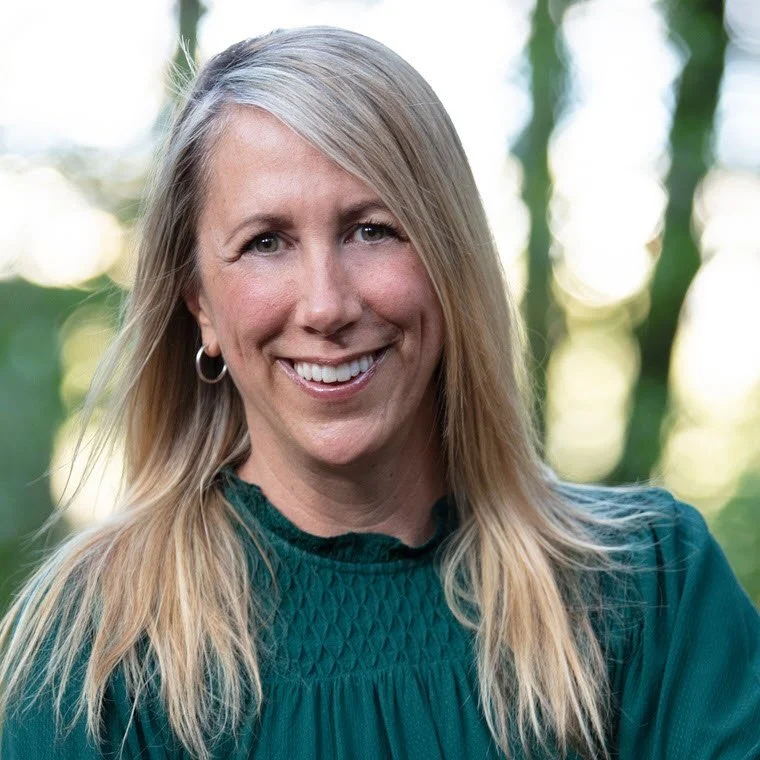
As Chief Impact Officer at Workday, Carrie leads the Workday Foundation and Social Impact team. Her expertise includes AI’s impact on jobs, skills and human connection - creating and supporting solutions that leverage technology to realize an abundant future and collective thriving.
Chief Impact Officer at Workday
How funders are beginning to recognize and support social connection.
Download the Social Connection as a Cause Guide
The coalition developed the Social Connection Architecture for philanthropists to serve as a shared foundation for defining and advancing social connection as a cause—enabling leaders to align how they think, invest, and act so efforts across sectors reinforce one another and build a coherent field.
The document includes:
Clear definition of social connection as a funding category
Moral foundation and stakes framing (why it matters)
Shared definition and narrative for alignment
Priority investment areas and action map
Strategic provocations to guide decisions and spark ideas
Evidence base with key data and research