
Roza Trilesskaya
How a self-described “average person” built connection in "the least social neighborhood that could possibly exist"
In the business district of downtown San Francisco, the apartment towers where Roza Trilesskaya lives weren't designed for lingering. They were designed for moving people efficiently from one place to another.
Hallways are narrow passageways. Lobbies are places to pass through. Outside, plazas sit empty while office workers hurry by. In one residential building, a stock ticker scrolls across a giant screen in the lobby.
"It's a residential building," she said. "It's very, very bizarre."
The neighborhood is full of people. It just isn't built for them to know one another.
"I think I'm living in the least social neighborhood that could possibly exist," she said. "It's a place where people live and just never talk to each other."
For a long time, Roza went to extraordinary lengths to build connection in her life. Like so many people, she built a full social calendar that depended on planning, coordinating schedules, and – hardest of all – commuting.
She took long bus rides to see a friend across the city. Joined a sports league, group chats, dinners, a meetup, another app – but none of these had the benefit of proximity.
On paper, her social life looked full. Reality was different.
"I somehow felt simultaneously overscheduled and lonely."
The middle ground for the average person
She knew she wasn't alone in her feelings, and that the place to start would be to simply meet her neighbors. She also knew she didn't want to go to superhuman lengths to solve the problem, despite deeply admiring Welcome Committee members in her cohort who put extraordinary energy into building neighborhood connection.
"I feel like I'm closer to the average person," she said. "I'd really like to connect with people, but I'm not going to knock on a stranger's door. I'm not going to strike up an elevator conversation. Starting a block party honestly seems like my worst nightmare."
She doesn't think she's unusual.
"I think that the majority of people are kind of in this middle ground where they would like to connect, but they don't really have any easy ways to do it."
A system not designed for connection
Roza works in product management, where understanding how people experience systems is part of the work. "The way we live life—that is the user experience," she said. "If it's happening to everyone, that's not a personal problem... that's a structural problem around us." Instead of asking people to overcome the friction, she designed to reduce the friction itself.
The result was Hey there, neighbor!, a tool that introduces nearby neighbors through easy ten-minute conversations. She calls it an “infrastructural tool."
"If I need it," she said, "I'm sure other people totally need this."
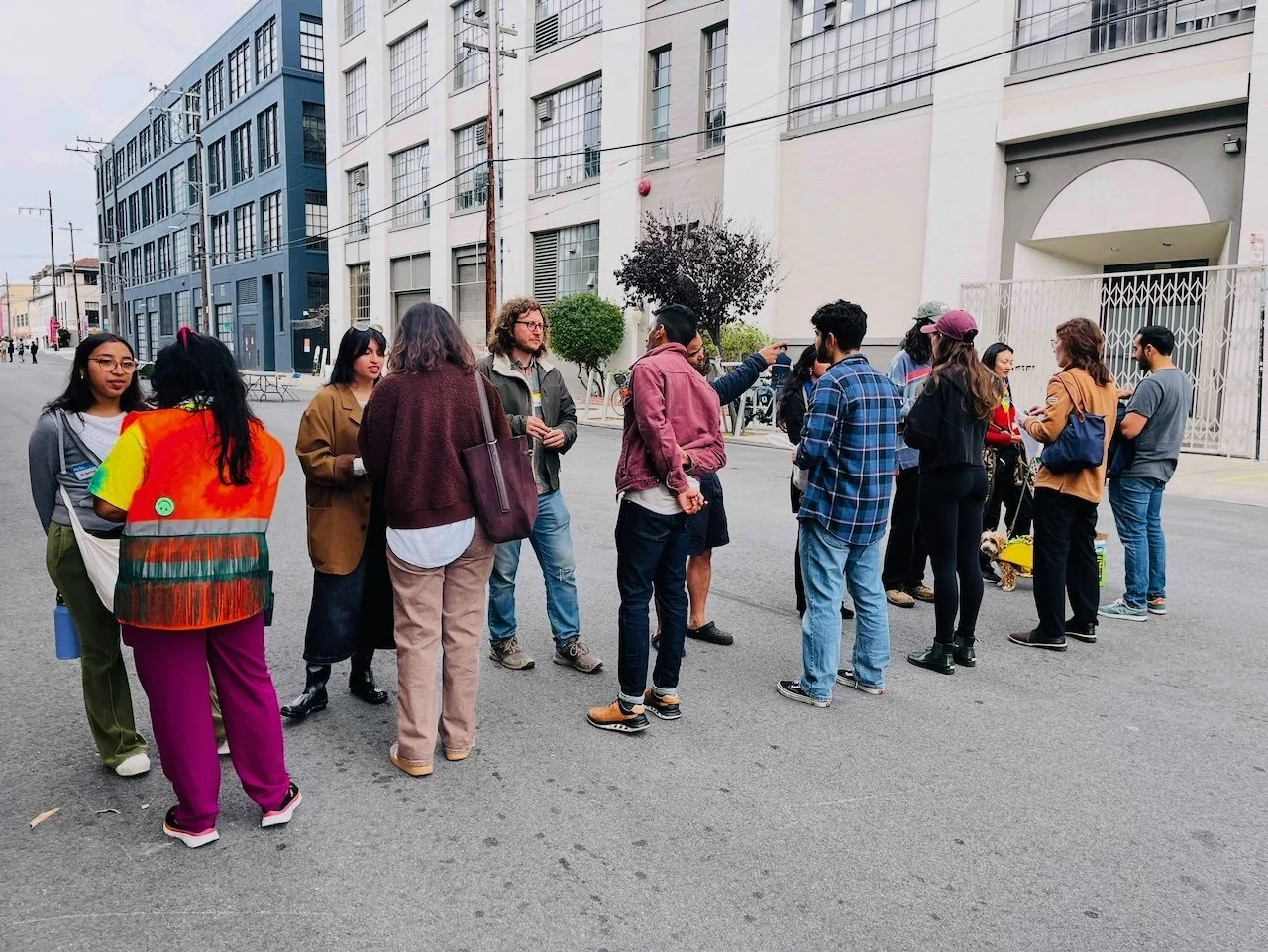
Image credit Roza Trilesskaya, “Speed neighboring”
To make people aware of the app, she went old school with flyers around her neighborhood. The first one she taped up was straightforward.
Meet your neighbors!
No one scanned it. Zero. She tried again.
Friends? Neighbors make the best friends, because they're already here.
People scanned. She tried another.
Cowork? Join our coffee shop coworking group chat.
Even more people scanned.
The experiment changed her ideas on how people think about and respond to invitations for connection. They don't necessarily wake up hoping to “build community."
They want someone to grab coffee with.
Someone to cowork beside.
Someone nearby to play pickleball with.
Sometimes they simply want a local friend.
Community grows from there.
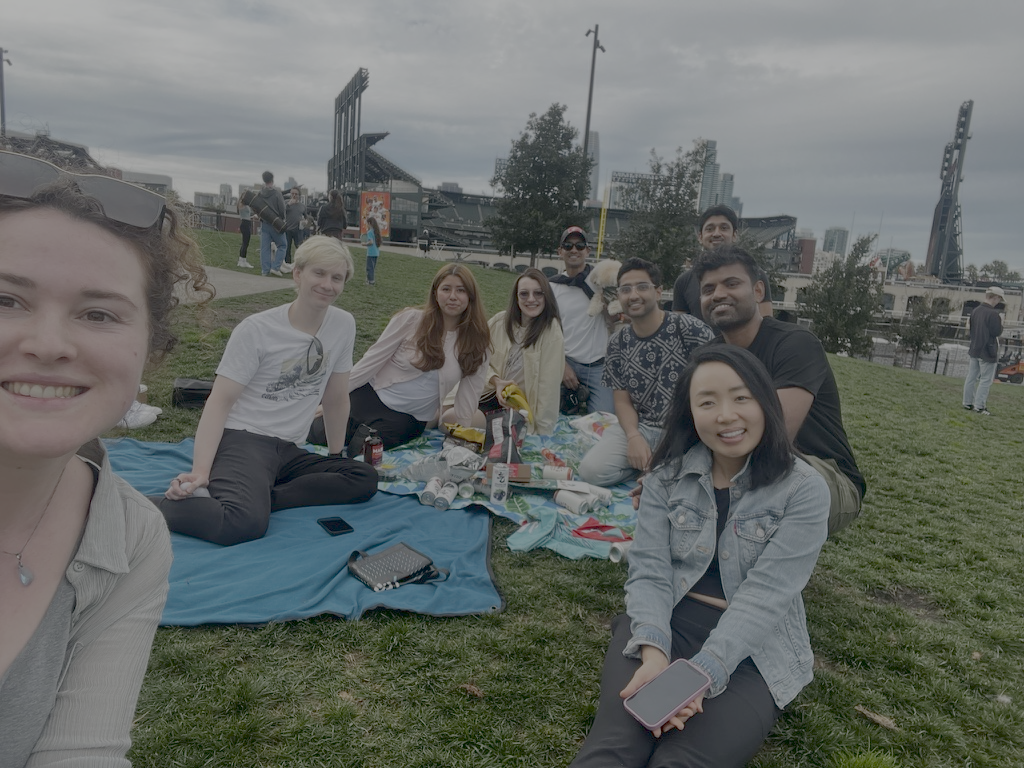
One neighbor had lived in the area for years without knowing a single other person nearby. After signing up for Hey there, neighbor!, he met a few neighbors for short conversations. Months later he bumped into one of them again. Then again. They ended up at a neighborhood picnic together. Today, one of them house-sits and cares for the other's cat while she's away.
"It wasn't that initial connection," Roza said. "It required repetition."
A neighborhood anyway
Her own neighborhood hasn't changed physically. The concrete. The towers. The stock ticker. All still there.
Her hope is that the physical environment won't have the final word.
"So much of what people talk about is based on geography," she said. "Should you move closer to friends? Should you move closer to family? But that's not realistic for many people."
Instead, she wants to prove something else is possible.
"I'd love to learn and prove that you can build tools to change people's experience to be more community-oriented even in places like this... I'd love to just see it grow into this awesome community despite not being built for it at all."
