
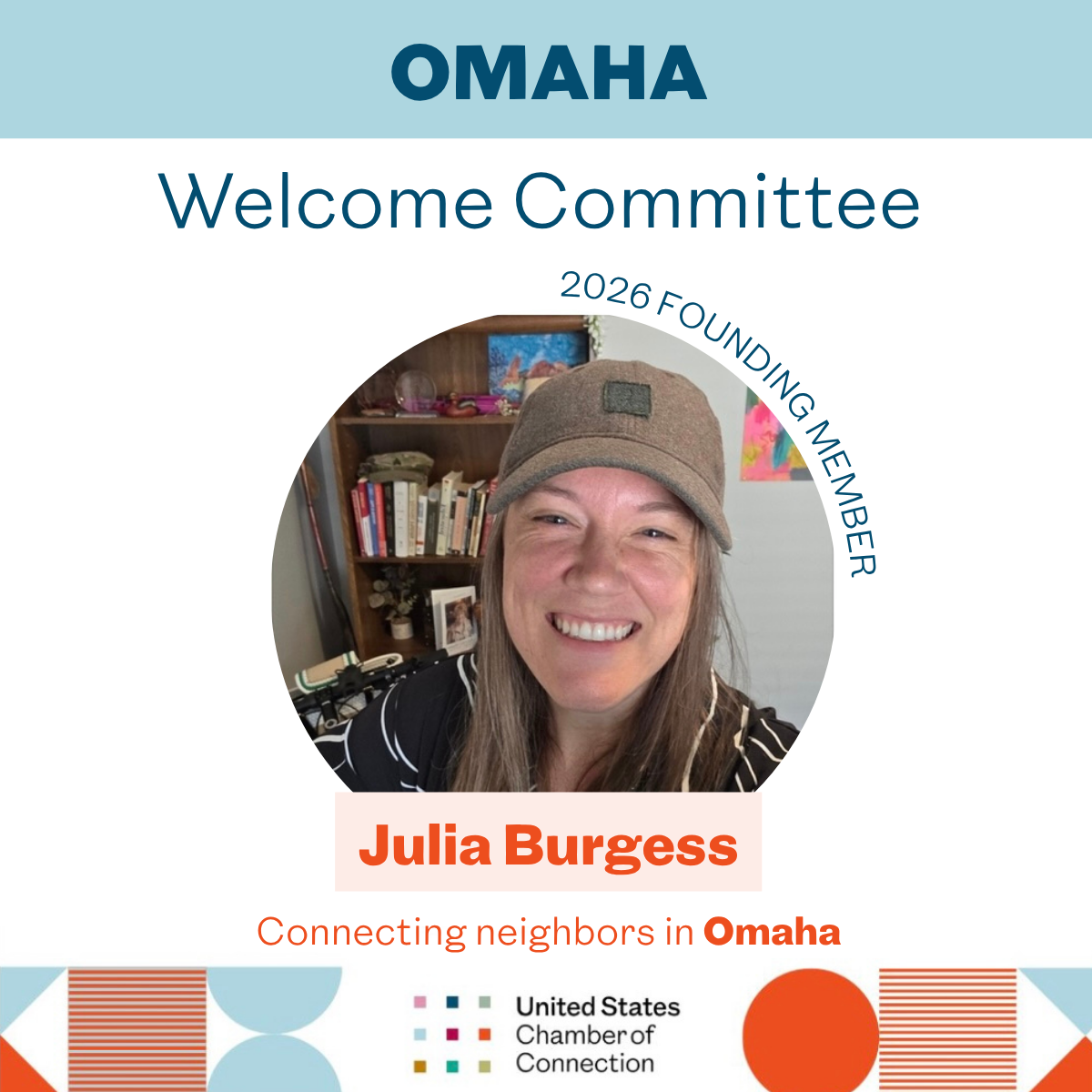
Julia Burgess
She spent her life helping others belong. Then a MarcoPolo message made her realize she wasn't sure she'd be missed.
We don’t need to have experienced intense loneliness or isolation ourselves to know how essential it is to have healthy connection in our lives. But that experience can provide valuable insight for a lifelong community builder like Julia Burgess.
Julia tends to catch up with friends while in her car, which includes listening to MarcoPolo messages from them in her driveway. One day, Julia listened to a message from a friend who shared that after missing her weekly workout, several people from her class had reached out to make sure she was okay.
Hearing this, Julia could have had any number of reactions. She could have smiled. She could have thought, “That’s so sweet!” or “I’m glad for her and that people appreciate and care about my friend.”
But Julia’s body was ahead of her thoughts, and her body broke into sobs.
The intensity of her reaction caught her off guard, so it took a moment, but Julia did understand why a story that wasn't even about her had cracked her open in that way.
She just needed to know that she would be missed if she didn't show up to something one week. But she wasn’t sure. And that’s a terrifying thought for anyone.
How the ground had shifted
For most of her life, Julia had been the person making sure other people felt included.
If someone was sitting alone at lunch, she joined them. If a classmate didn't have a birthday celebration, she and her mother would show up with cake and silly string to celebrate. She has always described herself as a social butterfly. “I've been a part of every single group and club you could ever possibly imagine because I love variety and I love people.”
Even after adulthood brought constant change, that part of her never disappeared.
Across 8 years, 11 moves, and vastly different communities, Julia and her family lived in suburban Nebraska, then in an off-grid cabin in rural Wisconsin surrounded by farmers and Amish families. They moved to an apartment in Colorado Springs before eventually returning to Nebraska. Every place required learning a different kind of community, and Julia usually found one.
Moves are complicated. Getting established in a new community is challenging. But then add into that mix becoming a mother along the way, and building community for yourself just doesn’t look the same anymore.
With young children, time became more precious to Julia. Energy became something to spend carefully. Community wasn't simply about finding people with shared interests anymore. It was about finding people nearby. People who understood the season of life she was in. People she could call if she needed help.
Colorado Springs was where she knew something needed to shift. She was exhausted. All the time.
“I want people to know they were missed when they didn’t attend the next thing."
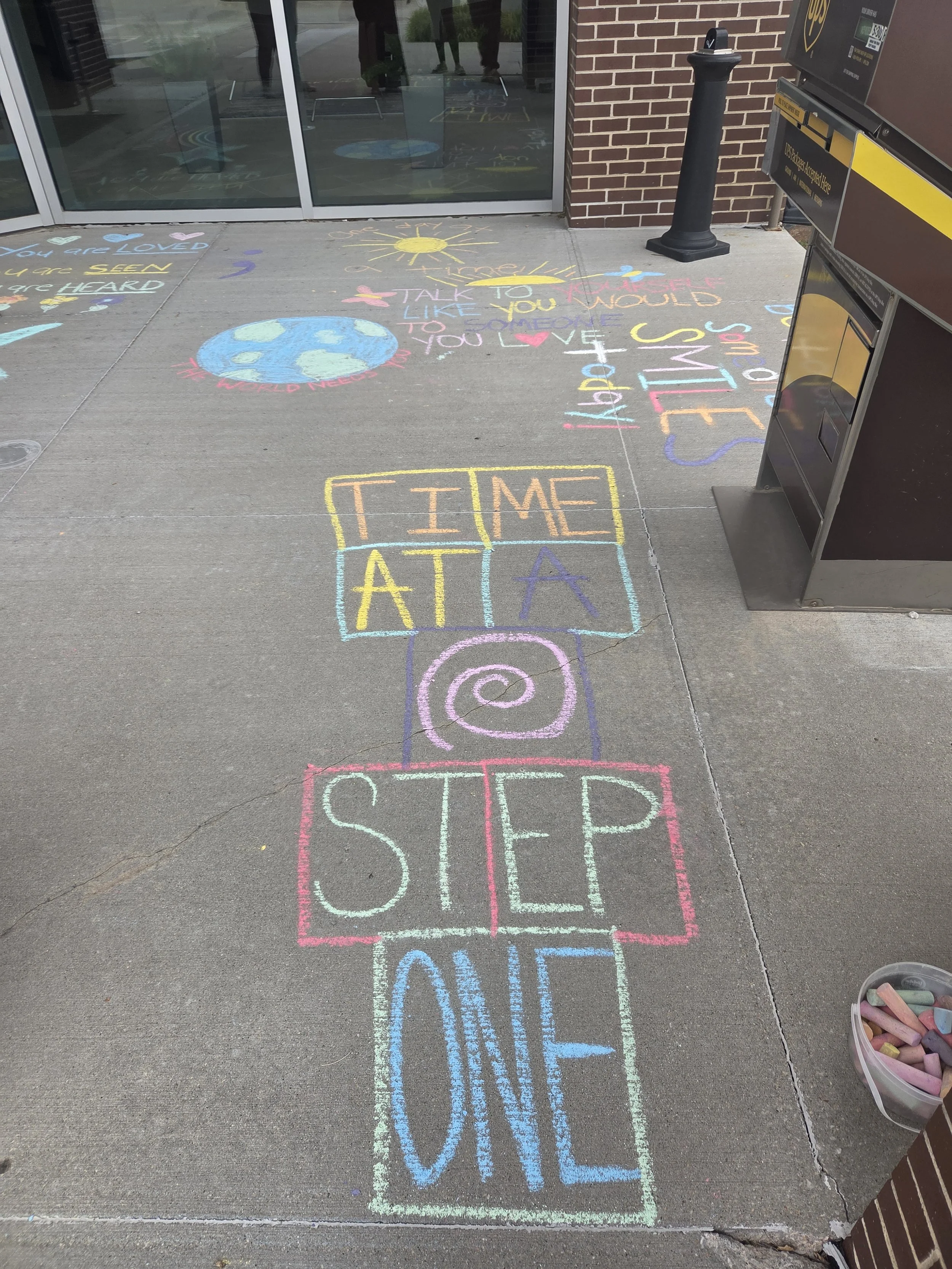
Images courtesy of Julia Burgess
The comfort of Gilmore Girls
After work, instead of looking forward to spending the evening with her three-year-old son, she found herself drawn toward something mindless. Technology became an escape. So did the sweet comfort of Gilmore Girls. She isn't someone who watches much television. Yet there she was, night after night, watching until two or three in the morning because the familiar dialogue and predictable comfort asked nothing of her.
From the outside, no one would have known.
She was volunteering. She had meaningful work. She stayed connected with close friends across the country. She was doing all the things we associate with someone who is connected.
But hearing that her friend had been missed exposed that horrible question:
Would anyone know if she wasn't doing well?
Would anyone notice?
Julia doesn't describe that moment as discovering loneliness. It was a recognition – the first being that she was numbing. If she wanted things to be different, she needed, as she put it, “to feel the fullness of the feelings I was having in order to make change.”
She put her phone in a box upstairs, making it harder to reach. She started carrying a copy of The Hobbit instead, replacing scrolling with a story that felt grounding. She traded endless television series for single movies because she realized her mind needed the feeling of completion before it could rest.
Then she turned to the world outside.
Finding her way back
Julia and her son began spending more time in their neighborhood. They met families. They opened their backyard. Children drifted in and out. Relationships began to form, until gradually there was a shift, and life felt lighter.
That experience continues to shape the way Julia thinks about community.
She believes one of the greatest challenges is reaching people who may not sign up to join in events she and others in the Welcome Committee host, simply because they're carrying too much, hurting too deeply, or just don't believe anyone would notice.
“I think there are a lot of people who don't even know they're lonely – would never say they're lonely. But when you ask them, do you feel like you'd be missed if you were gone tomorrow? I think a lot of people wouldn't know if they would be or not.
Last September, during the Kim Foundation for Suicide Prevention Awareness Month, Julia and her family began drawing sidewalk chalk messages.
You matter. Keep going. The world is better with you in it.
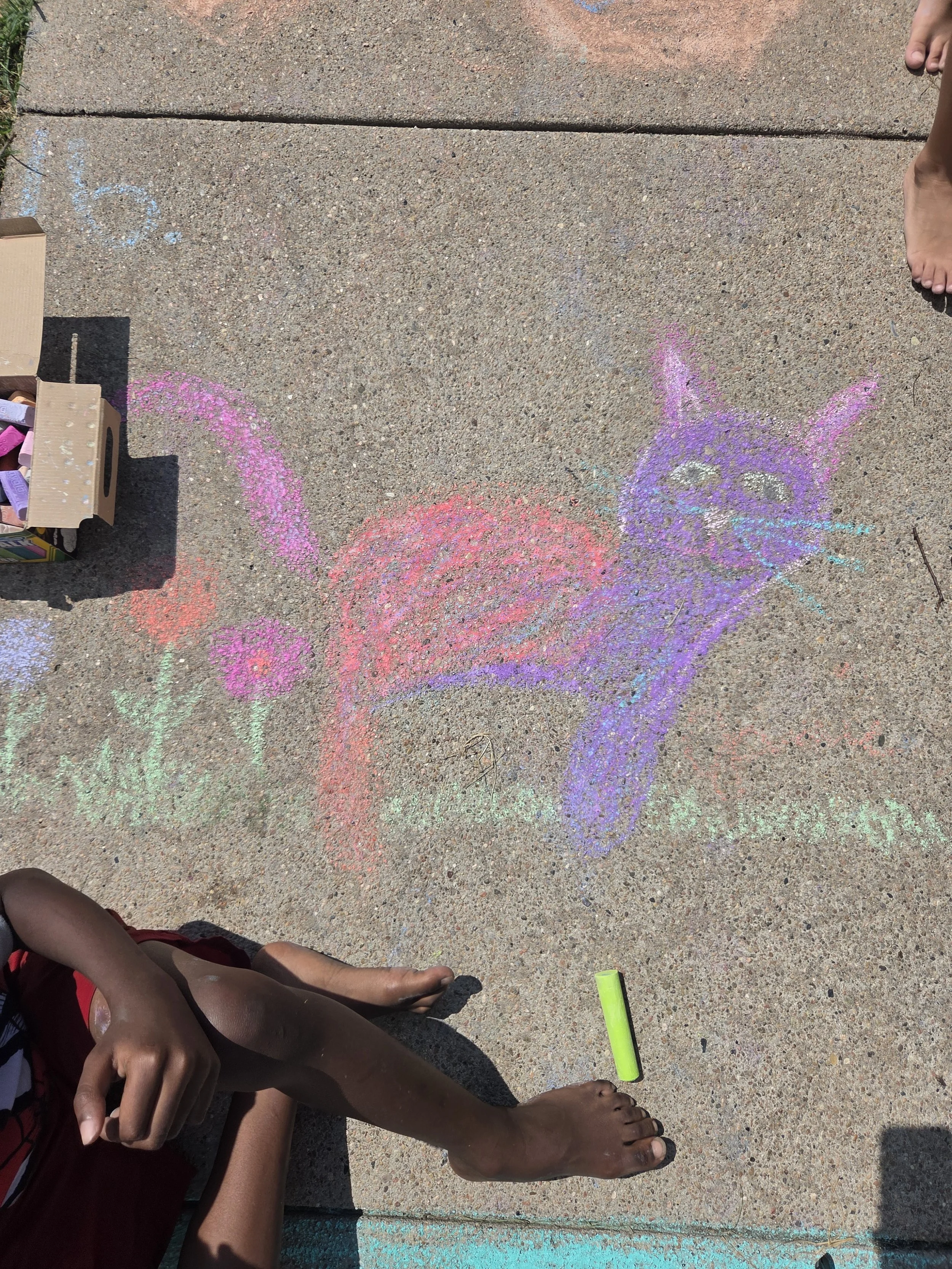
As they did so, neighborhood children wandered over, and before long, they weren't just reading the messages. They were making their own.
Then, unsurprisingly, things got playful.
Hopscotch squares appeared. Sidewalks filled with color. Julia’s act of remembrance and messaging transformed into a time to play, to linger, and come together as neighbors.
Recently, Julia and her neighborhood’s kids did more of these chalk drawings, bringing together children, parents, water guns, lemonade stands, and conversations that never would have happened otherwise.
“All started because of suicide prevention awareness and writing messages on the ground in chalk that hopefully send a message that someone cares about you – someone that doesn't even know you.
“And now, I'll ask [my five-year-old son], what should we draw on the sidewalk today? And he says stuff like, you have purpose, or you matter, or the world's better with you in it. And how cool is that?”
As part of her own mission, Julia is still pursuing the same question that emerged from that parked car.
She wants to reach people who don't even know they need to be reached. Wherever they are and whatever is going on with them.
“I want people to know they were missed when they didn't attend the next thing.”
